Dog
Breeds
Explore dog breeds and learn how different breeds may behave when lost. TailTracker combines breed education with recovery-focused insight to help owners prepare before an emergency.
Breed education with real recovery context for pet owners
TailTracker breed guides are built to do more than describe temperament and appearance. They help owners understand how breed instincts can shape search priorities if a pet goes missing.
This directory is evolving into a recovery-focused product interface, so owners can compare breeds at a glance and open the full guide when they need deeper insight.
Dog breed guides currently available in this directory.
Scores are recovery-behavior signals, not personality ratings. Scent Drive estimates how strongly a missing dog may follow scent; Wander Risk estimates likely movement after escape; Stranger Tolerance estimates how readily the dog may approach unfamiliar people while stressed.
Showing 75 breed guides in the current view.
Browse Breeds
Compare core recovery signals at a glance, then open the full guide.
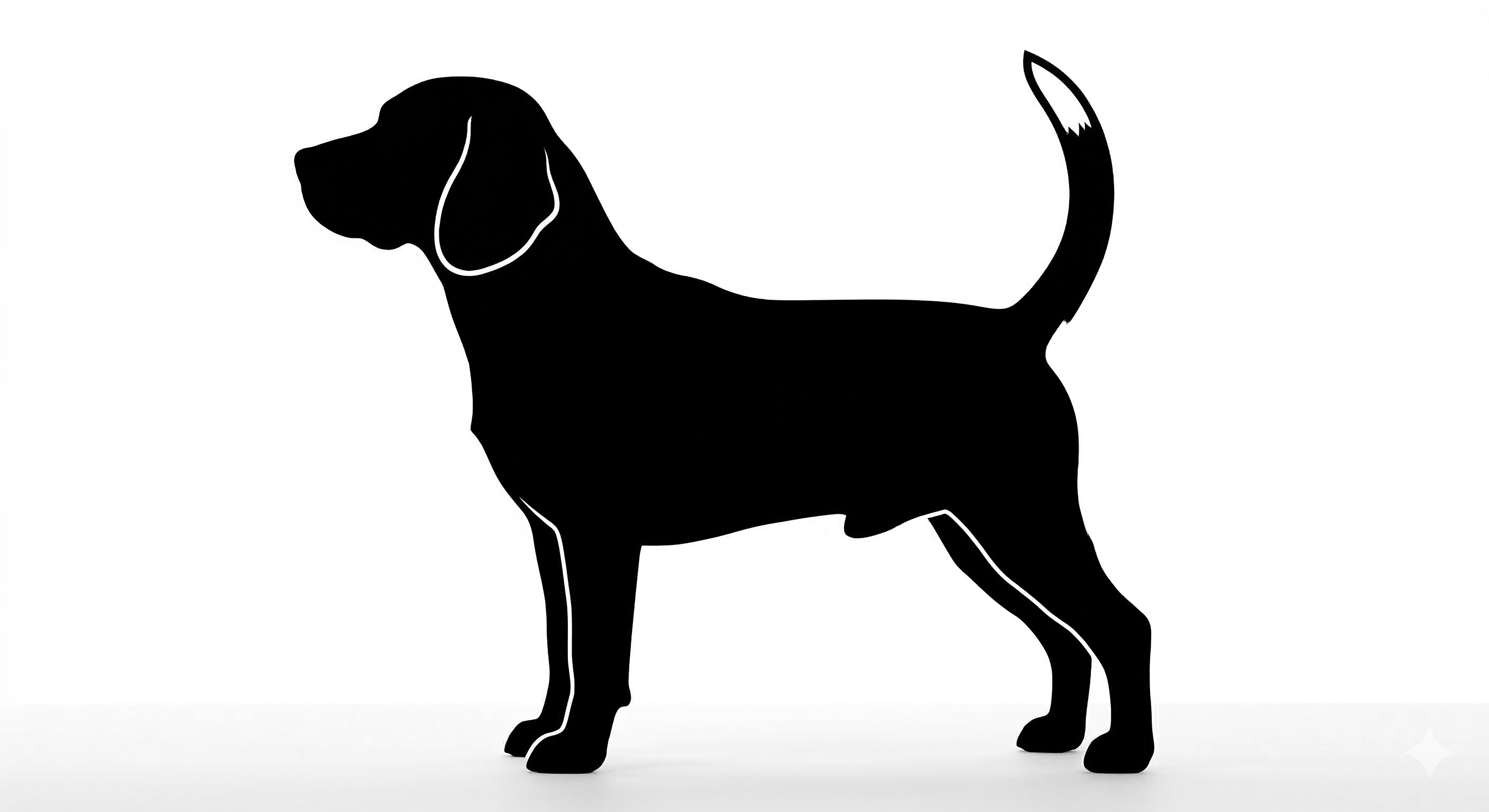
Likely to keep moving if scent takes over.
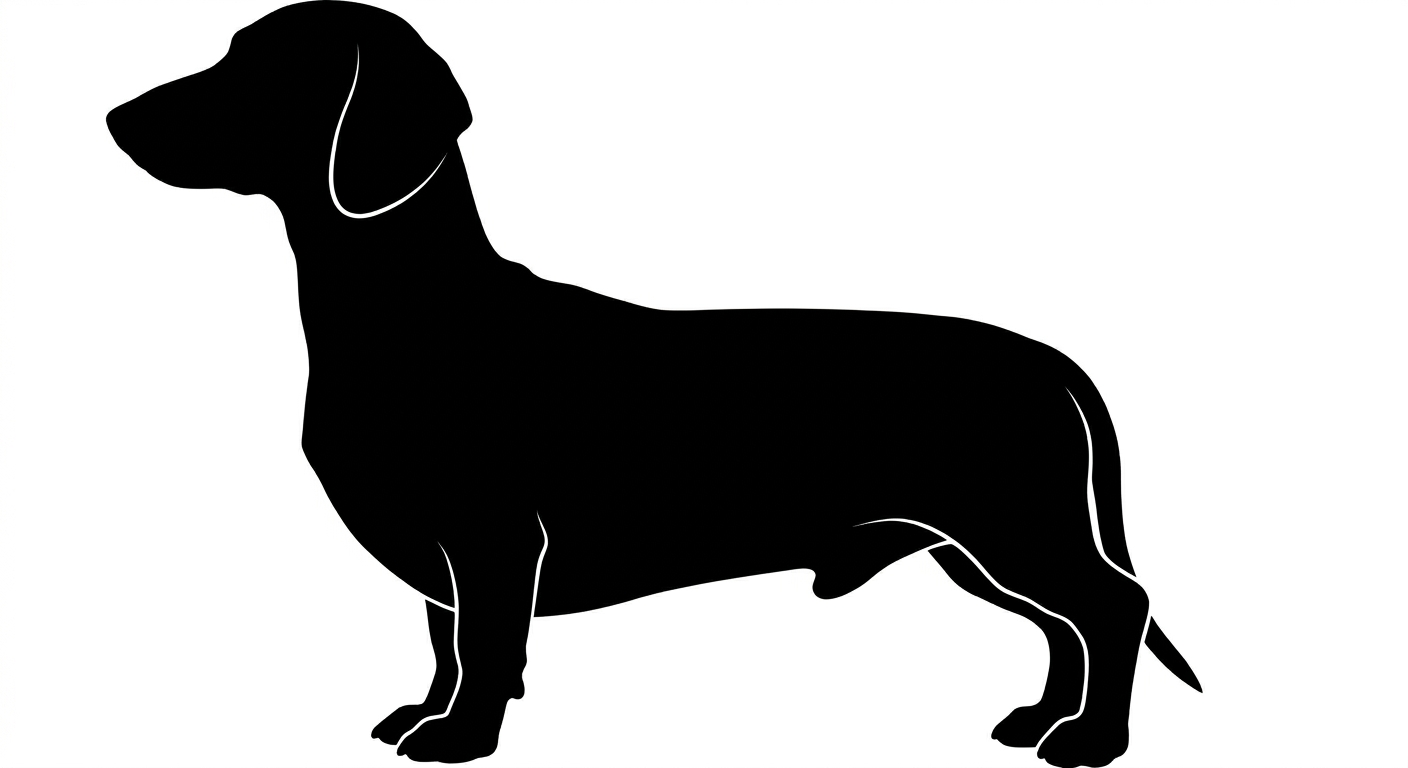
Can disappear into low cover, gaps, and under-structure spaces faster than owners expect.

Usually stays relatively close, but physical vulnerability makes fast recovery especially important.
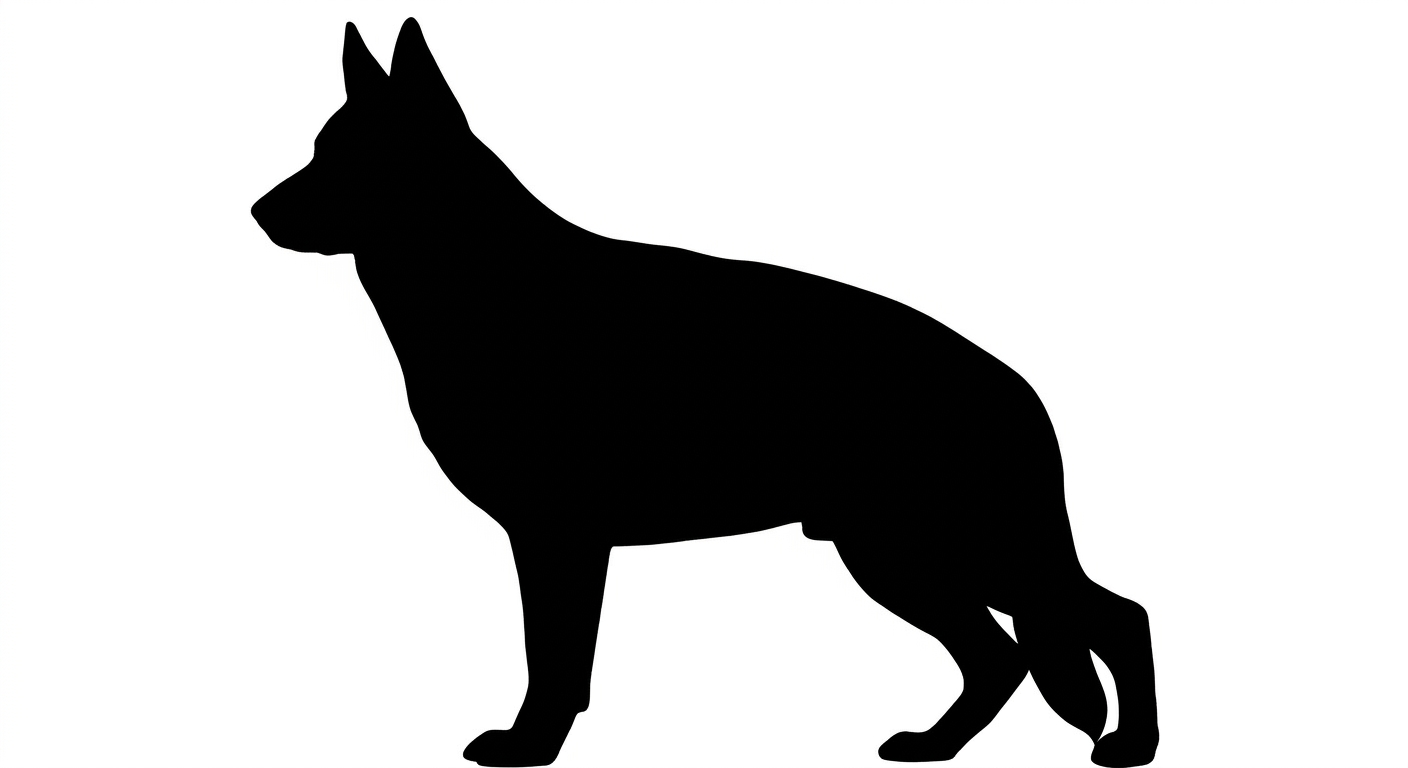
Often moves with purpose and may avoid unfamiliar pressure when frightened.

Friendly and people-oriented. Often remains more socially recoverable than more suspicious breeds.

Highly social and often very recoverable, but can keep moving if activity, food, or water draws it onward.
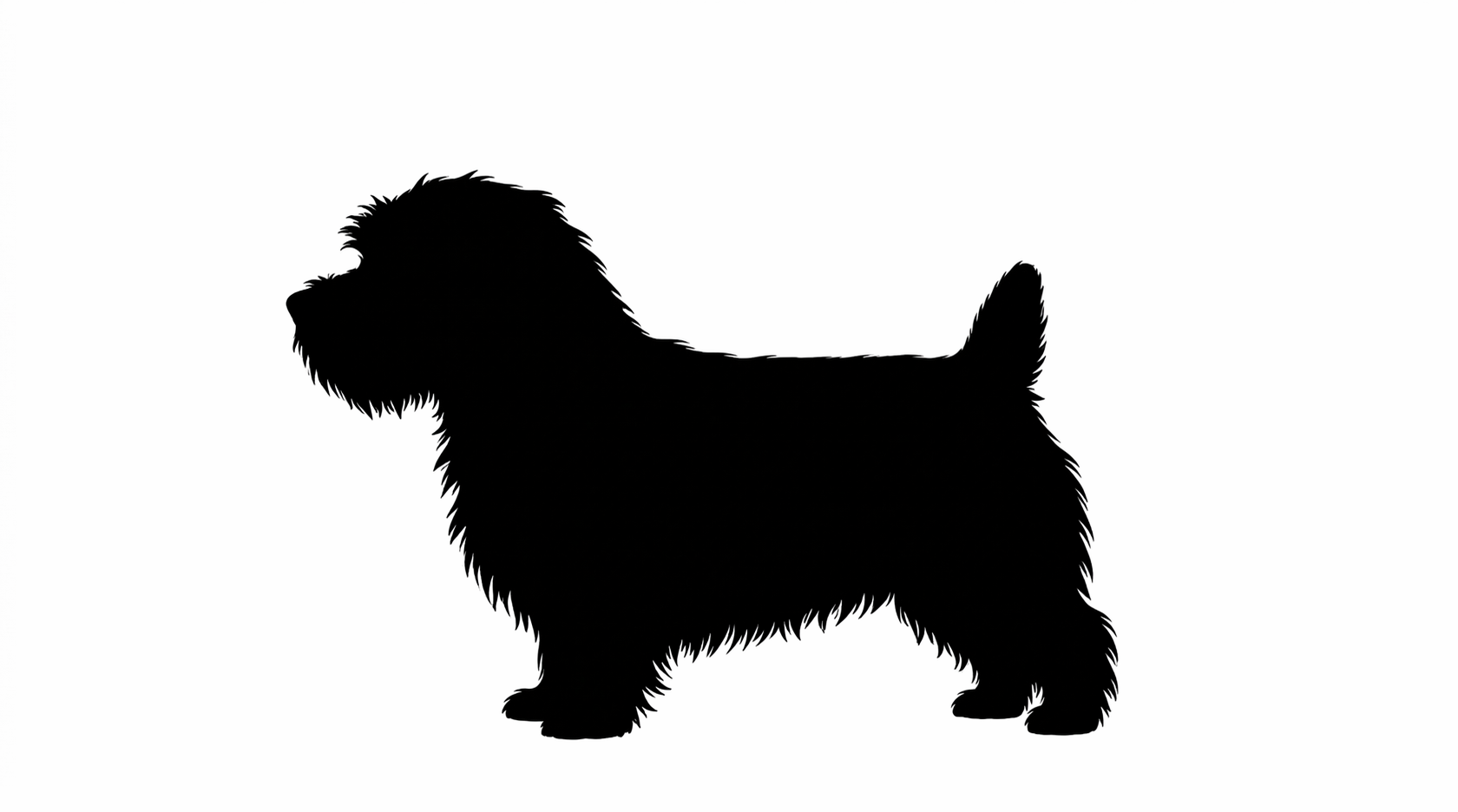
Small, game, and highly driven. Search should prioritize brushy edges, low cover, tight gaps, and active ground-level exploration near the escape route.

May be pulled by water, birds, open activity areas, and stimulation-rich environments.
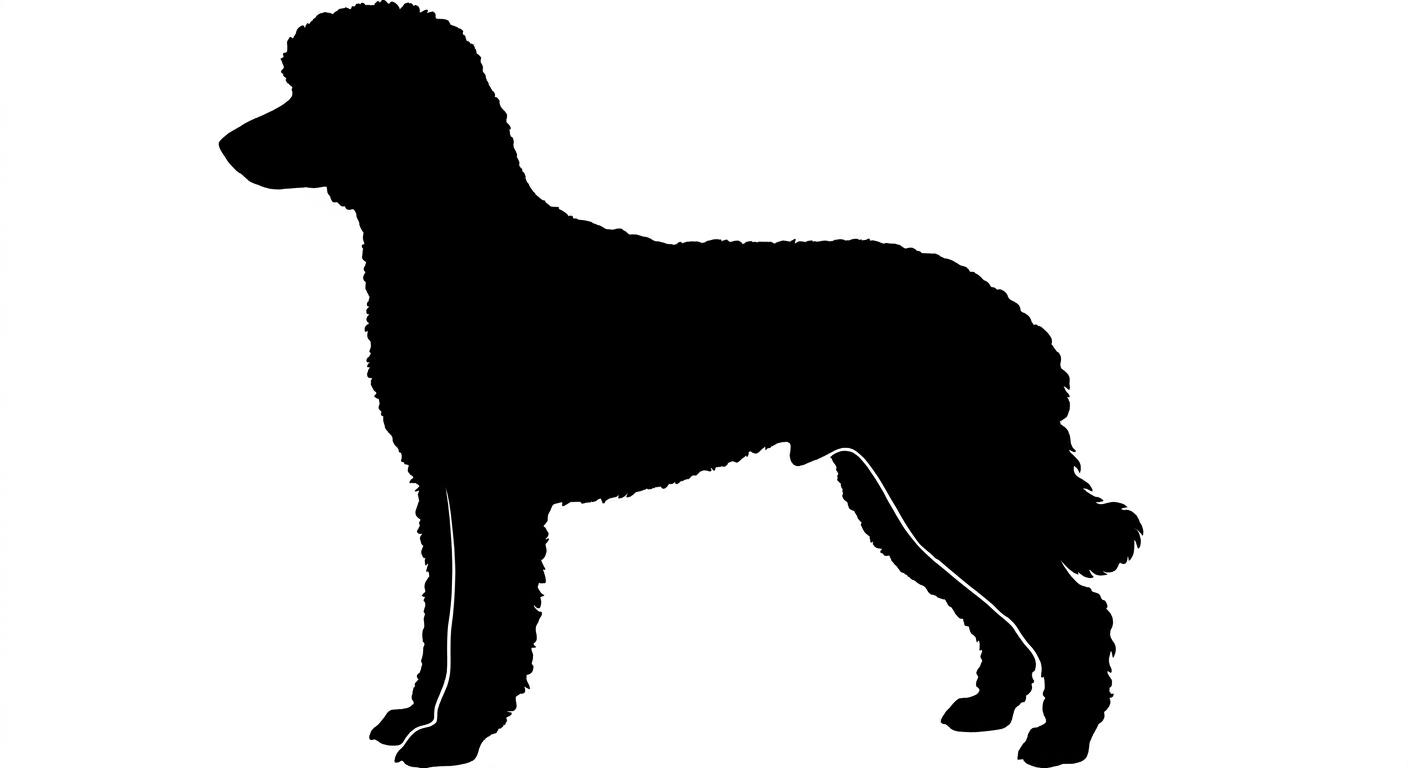
Highly trainable and often recoverable, but size matters. This overview is best read as Standard/Miniature guidance; Toy Poodles need smaller-radius recovery assumptions.

Powerful, self-reliant, and built for distance. Often moves forward with purpose, uses terrain intelligently, and may watch from cover rather than approach searchers.
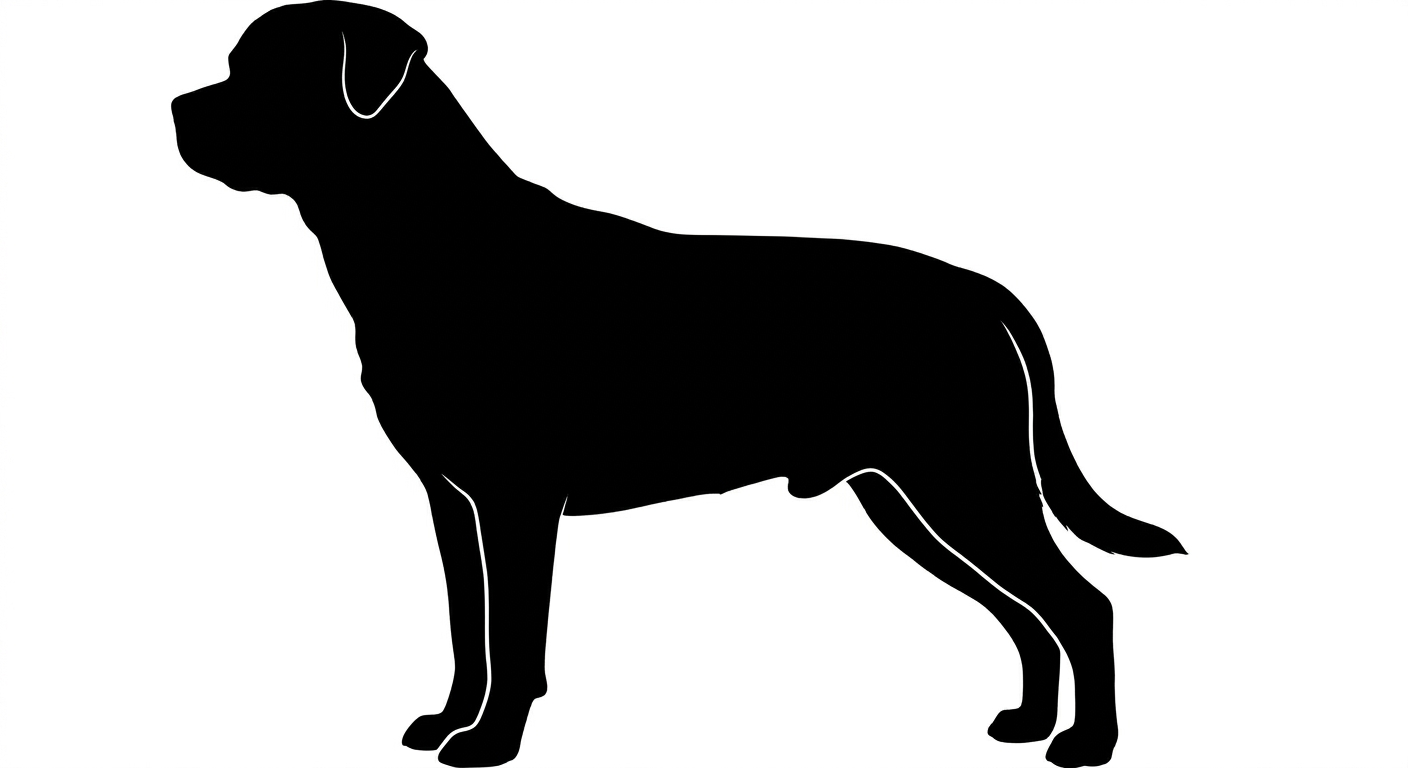
Often stays organized and watchful under stress; calm familiar-led recovery matters more than crowd pressure.

The gold-standard scent hound. Once locked onto a trail, a Bloodhound may follow scent for long distances and ignore recall, roads, people, and handler pressure.

Usually remains within a tighter radius, but stress and heat sensitivity make quick, calm recovery important.
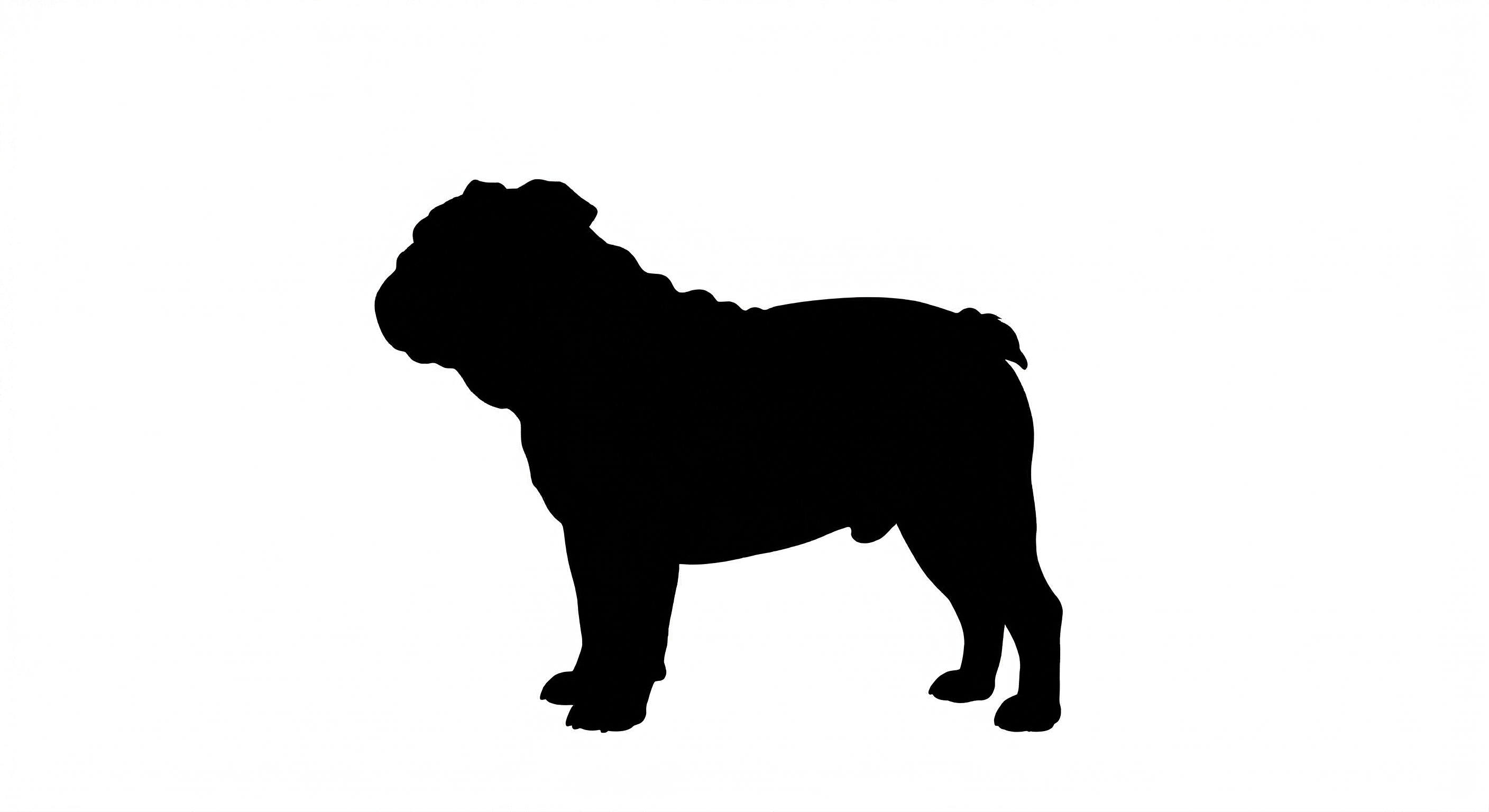
Often does not travel far, but physical limitations mean exposure risk can rise quickly in warm or stressful conditions.
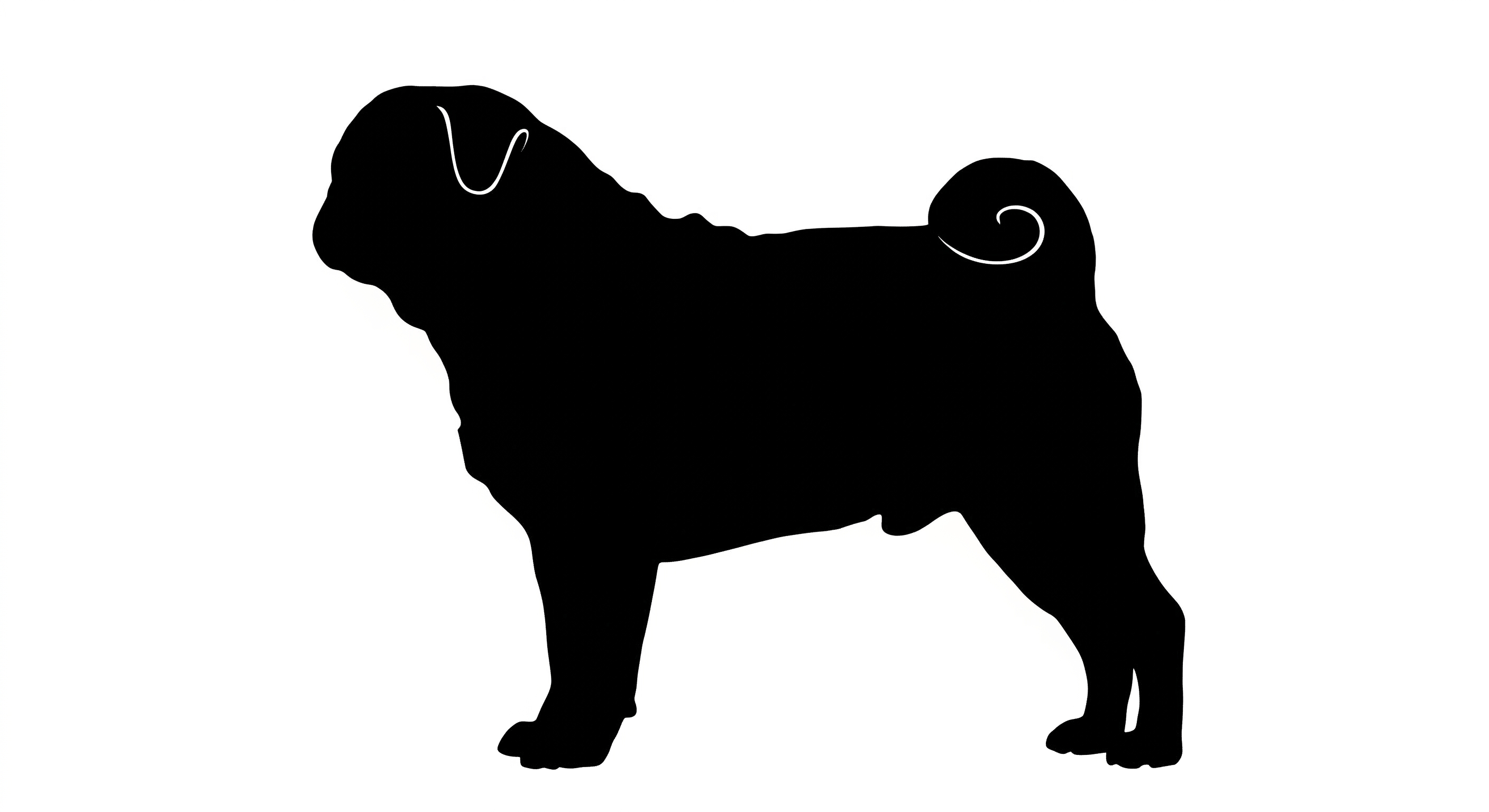
Usually stays in a smaller area and may approach people, but brachycephalic stress risk makes speed matter.
Often stays engaged with movement, routes, and familiar handlers, but can widen fast if stimulation takes over.
Often remains within a mental map, circling familiar routes or pausing to observe instead of simply running blind.

Recovery behavior varies widely by mix, but many doodles are social, trainable, and more approachable than harder independent profiles.
Confident, athletic, and highly curious. Often keeps moving through trails, brush, and perimeter edges instead of settling quickly.
Quick, agile, and opportunistic. Often finds holes, underbrush, and escape routes that larger dogs ignore.

Fast, alert, and opportunistic. Likely to explore actively and investigate ground-level movement and shelter.
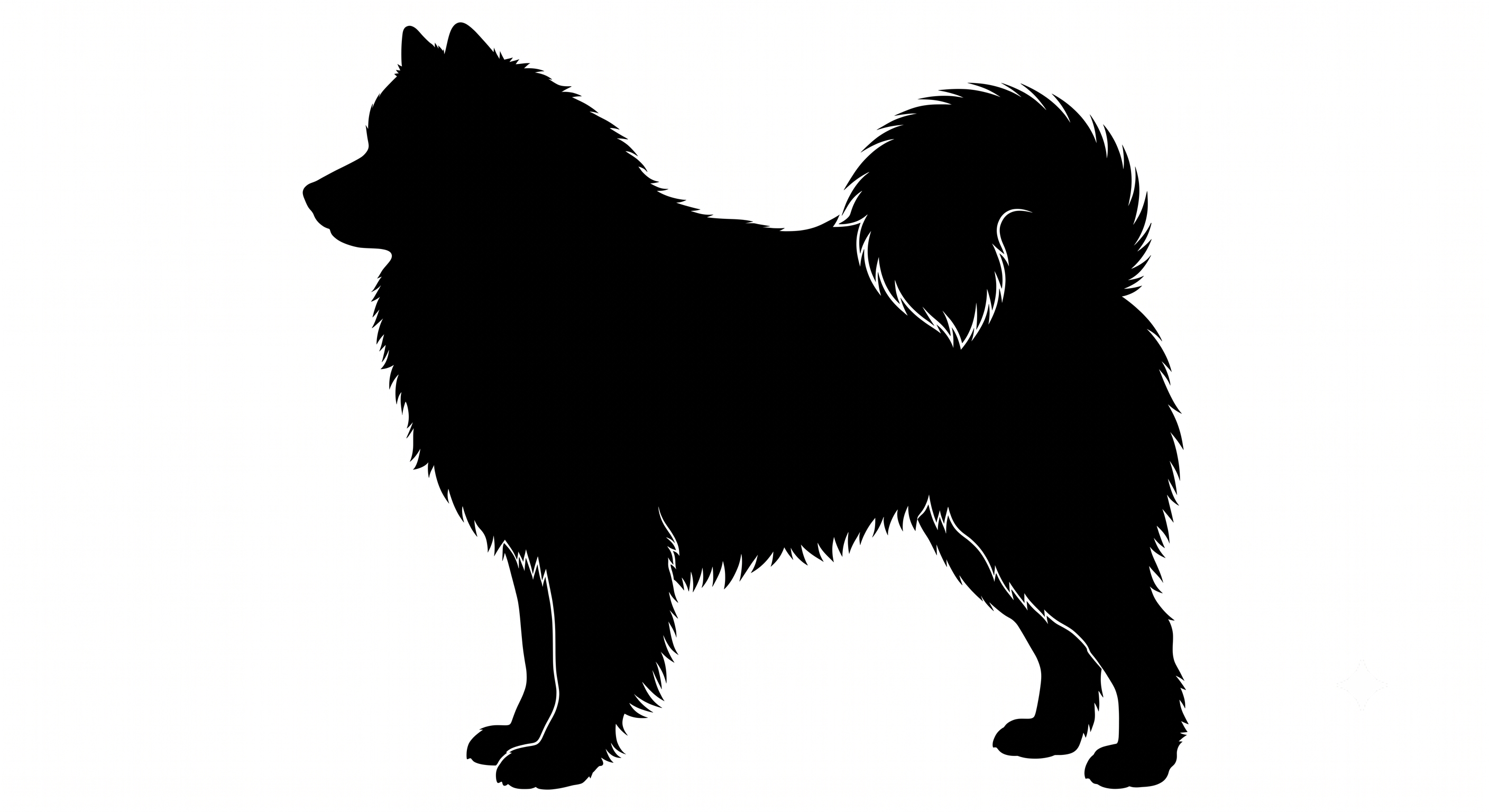
Friendly, vocal, and cold-hardy. When loose, may follow beaches, trails, snow routes, or social attractors such as other dogs, farms, parks, and active homes.
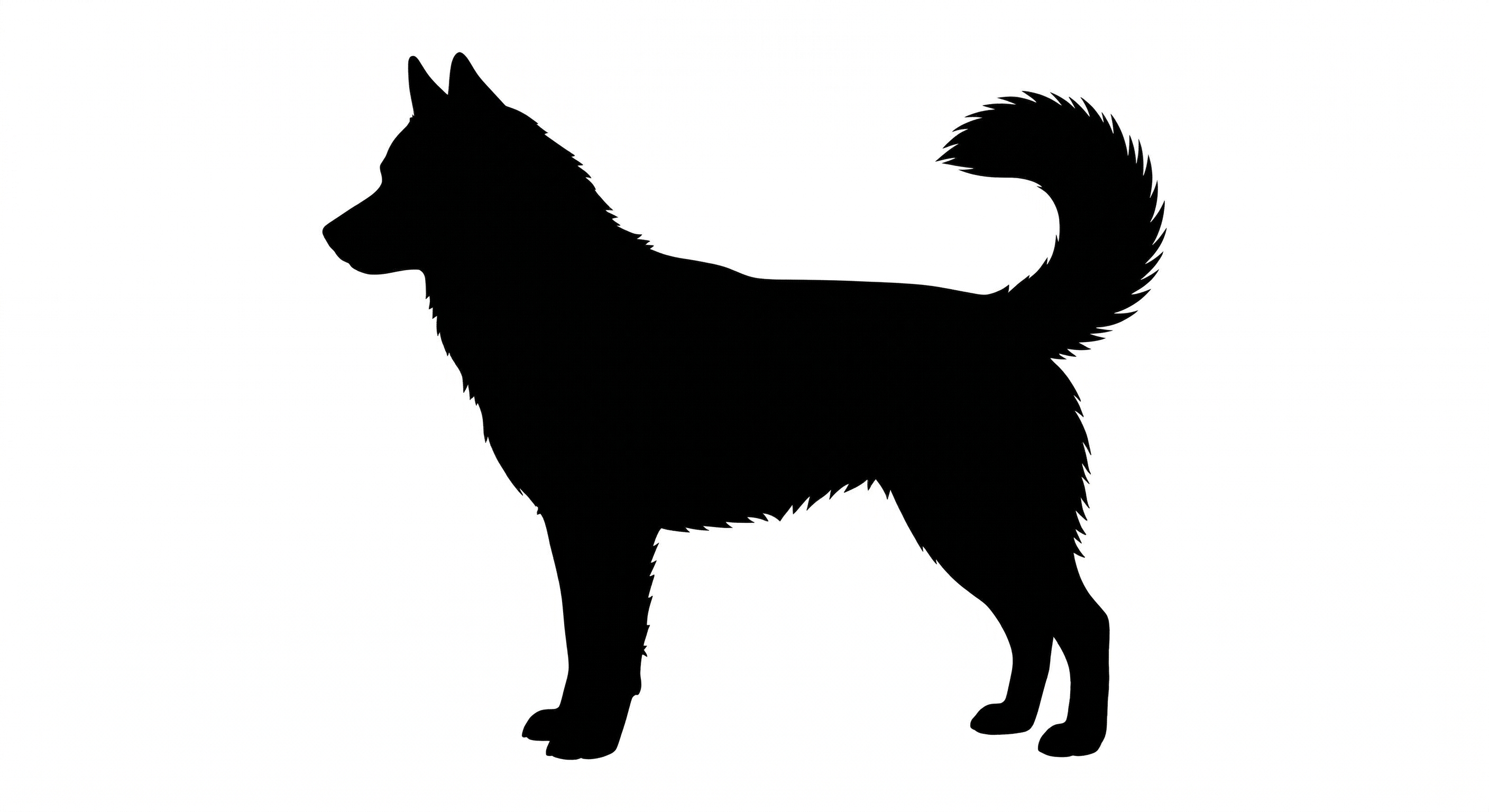
Built to keep moving. Huskies can travel surprisingly far and often require interception rather than pursuit.
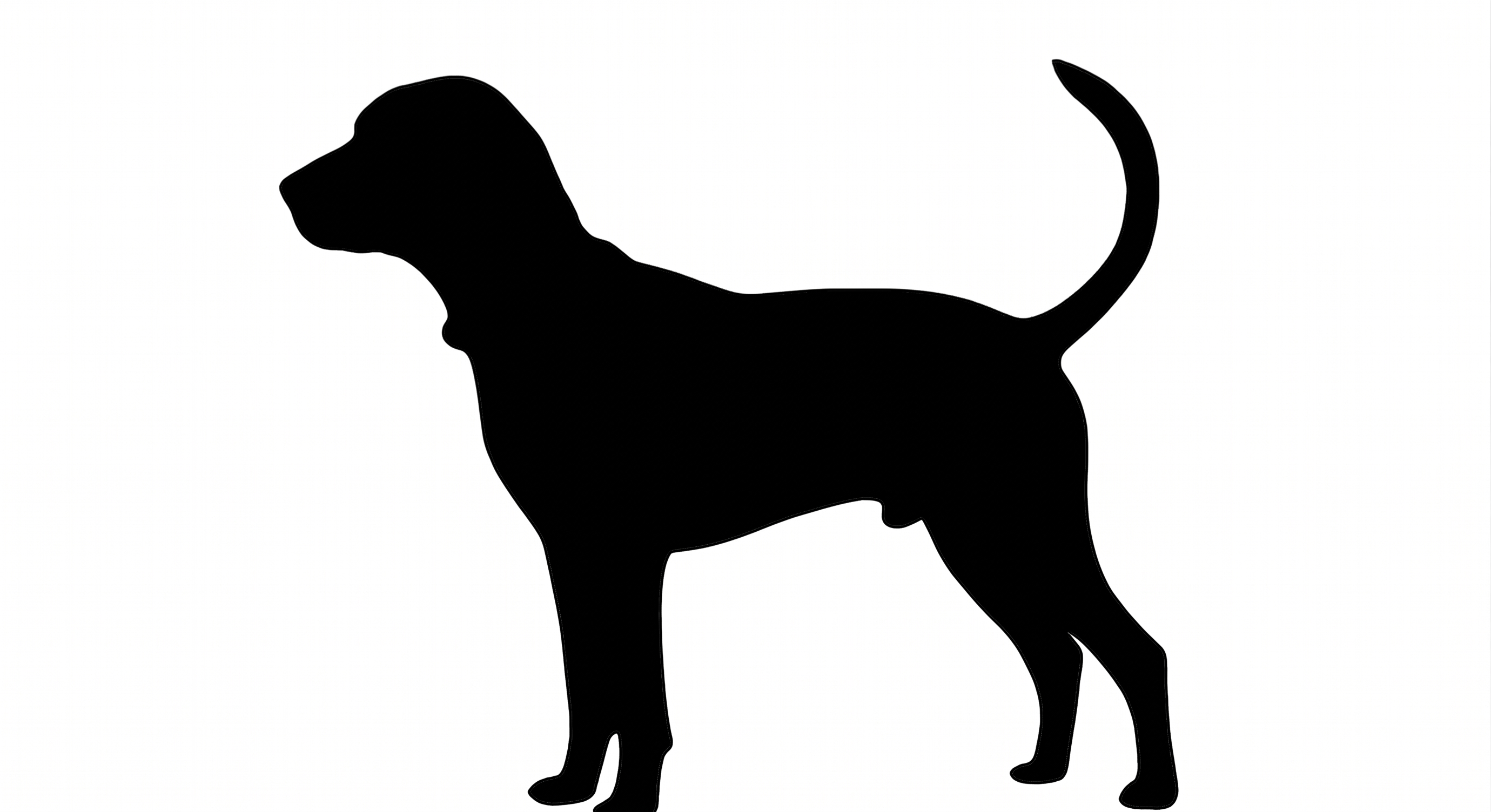
High-endurance scent hound built for tracking and treeing game over long distances. When loose, often follows scent corridors and may travel far before stopping.
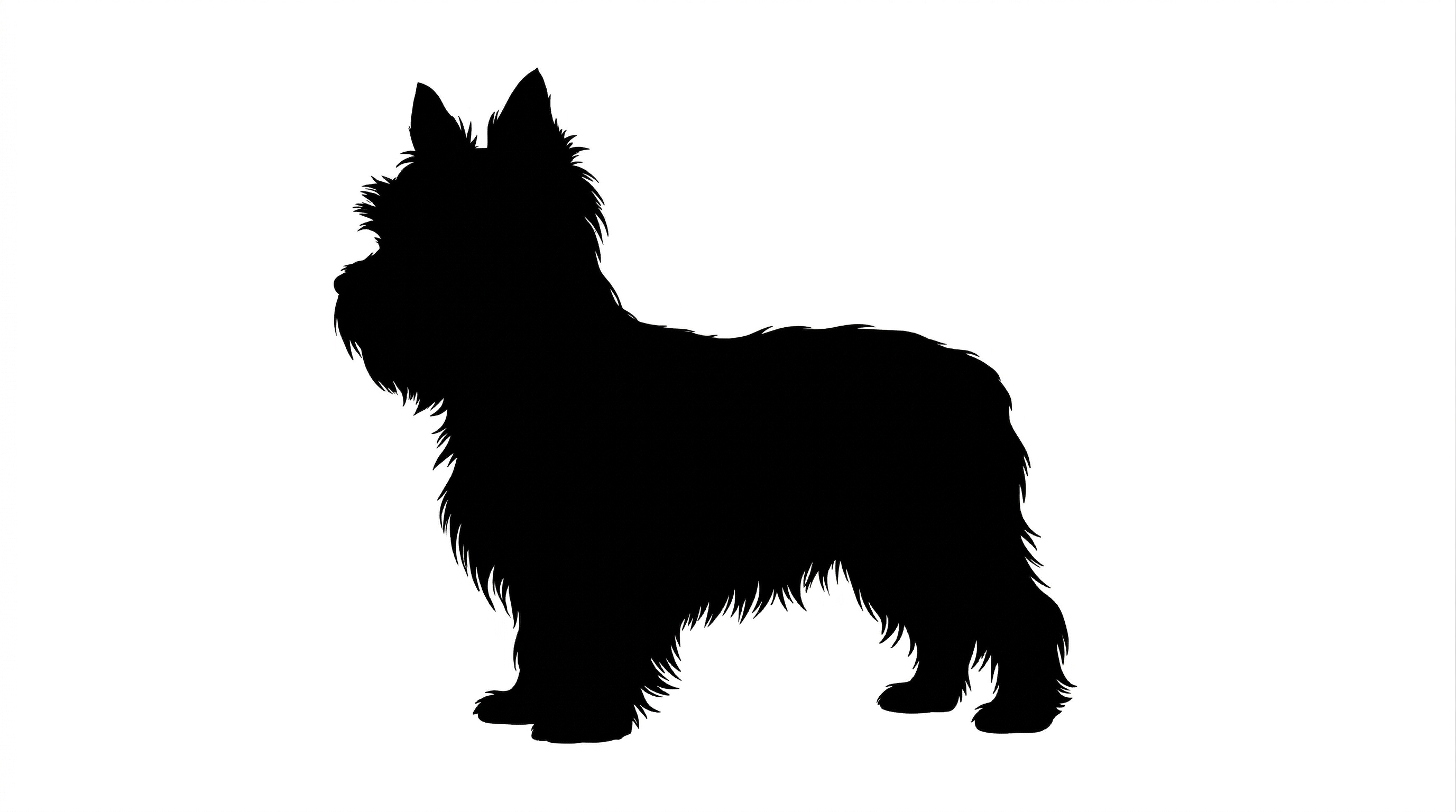
Small enough to hide quickly, bold enough to keep moving. Search should prioritize nearby cover and human activity zones.

Fast, athletic, and highly driven. This breed can cover open ground quickly, especially near fields, scent corridors, and bird-rich edges.
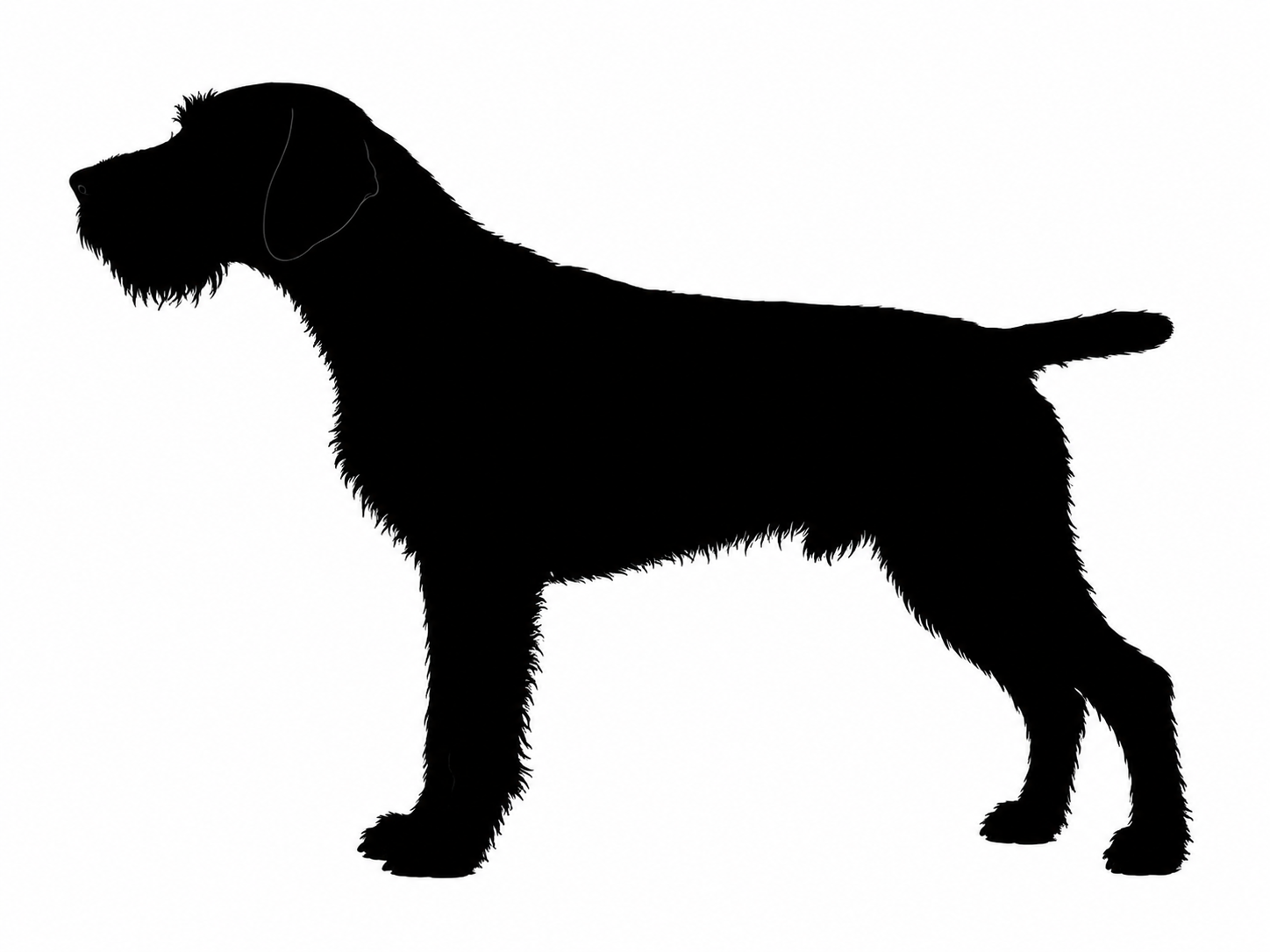
Deliberate, tough, and cover-oriented. Compared with the German Shorthaired Pointer, this breed is more likely to push through brush, water, cold, and rough terrain while following scent.
Recovery behavior can vary widely. Individual history, confidence, attachment style, and likely breed influences matter more than labels alone.
Often travels with intent along roads, fence lines, and activity-rich routes rather than drifting randomly.
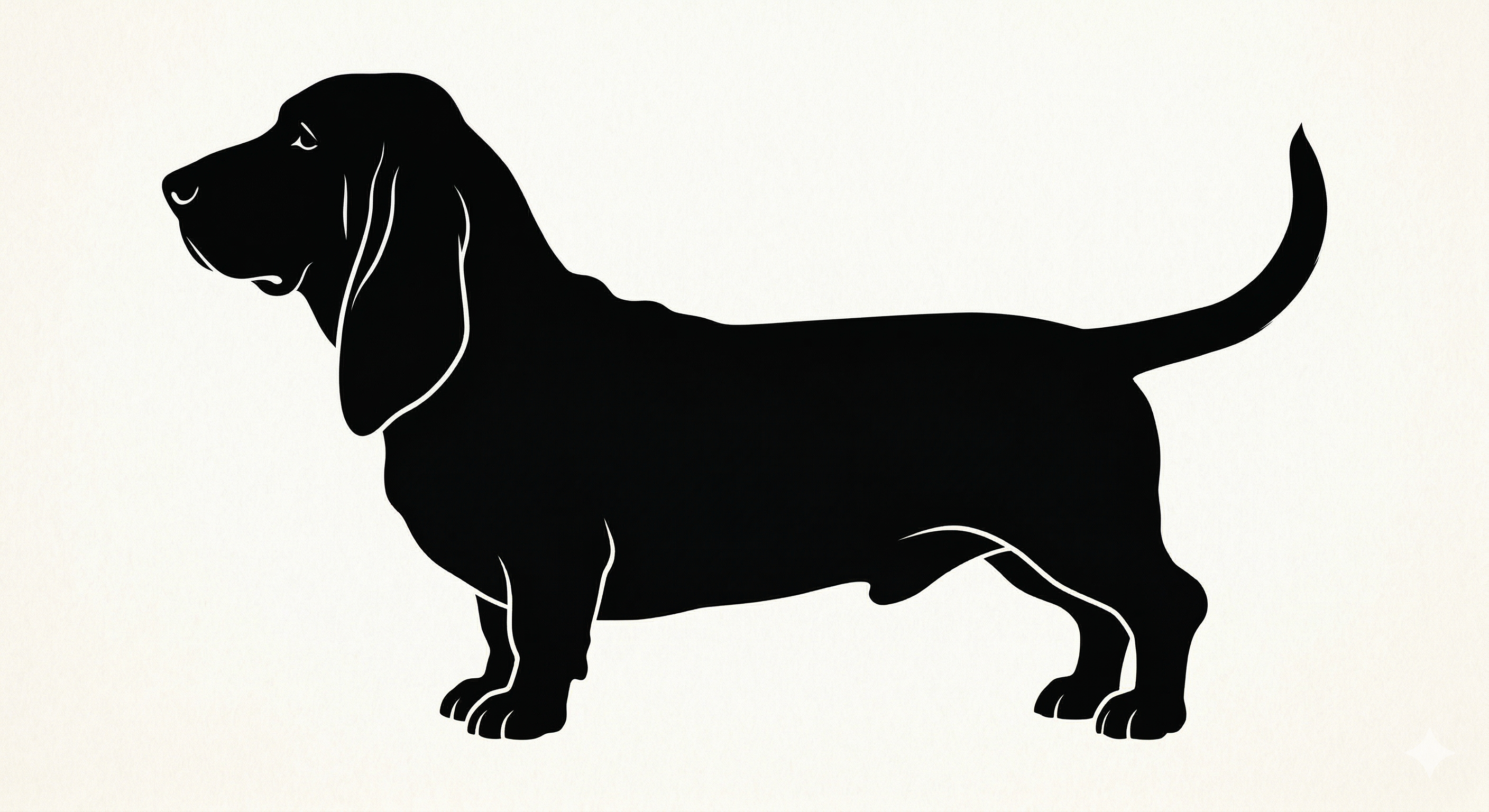
Usually follows a trail methodically. Search strategy should prioritize path logic over broad random radius expansion.
Can cover distance quickly in open terrain. Early expansion into fields, trails, and scent corridors is especially important.
A sight-triggered sprinter that can disappear in seconds. Recovery depends on fast perimeter alerts, visual containment, and interception rather than pursuit.
Alert, low-set, and route-aware. Often follows sidewalks, fence lines, yards, and familiar household boundaries while using bark and movement to mark activity.
Steady, loyal, and route-aware. Often follows familiar property edges, sidewalks, driveways, and boundary lines while remaining more reserved with unfamiliar people than many companion breeds.

Umbrella guidance for corgi-type recovery. Use the Pembroke or Cardigan guide when the specific breed is known.

Often stays more localized than owners fear, with strong territorial pull and lower stranger-initiated recoverability when stressed.

Often remains very close to the escape point and hides in sheltered spaces, making nearby containment and calm calling effective.
Often stays within a more limited radius than faster working breeds, but size, weather exposure, and quiet hiding in wooded cover can complicate recovery.

Independent, terrain-dominant, and bred to control movement. Search should prioritize corridors, field edges, brush, drainage paths, and calm owner-led anchoring.
Usually remains relatively approachable and people-oriented, which can improve recovery odds if sightings are acted on quickly and calmly.

Often moves with intention and can become more evasive around unfamiliar pressure, so calm owner-led containment is usually stronger than pursuit.
Often stays surprisingly close but can vanish into very small hiding spaces, making immediate close-range grid searches especially important.
Small, quick, and easy to overlook. Search should emphasize nearby hiding cover, porches, shrubs, and human activity areas.
Usually stays within a more limited range, but water access, wooded cover, and exposure risks should be prioritized early.
Energetic and far-ranging. Early search should expand toward fields, trail systems, and open movement corridors.
Often remains reasonably recoverable, but brush, edge habitat, and sheltered spots near the escape point should be checked early.
Active and cover-oriented. Search should prioritize brush edges, trails, yards, and sheltered movement corridors near the escape point.

Strong, agile, and often drawn to water, open play space, and active routes. Search early around shorelines, trails, and neighborhood corridors.
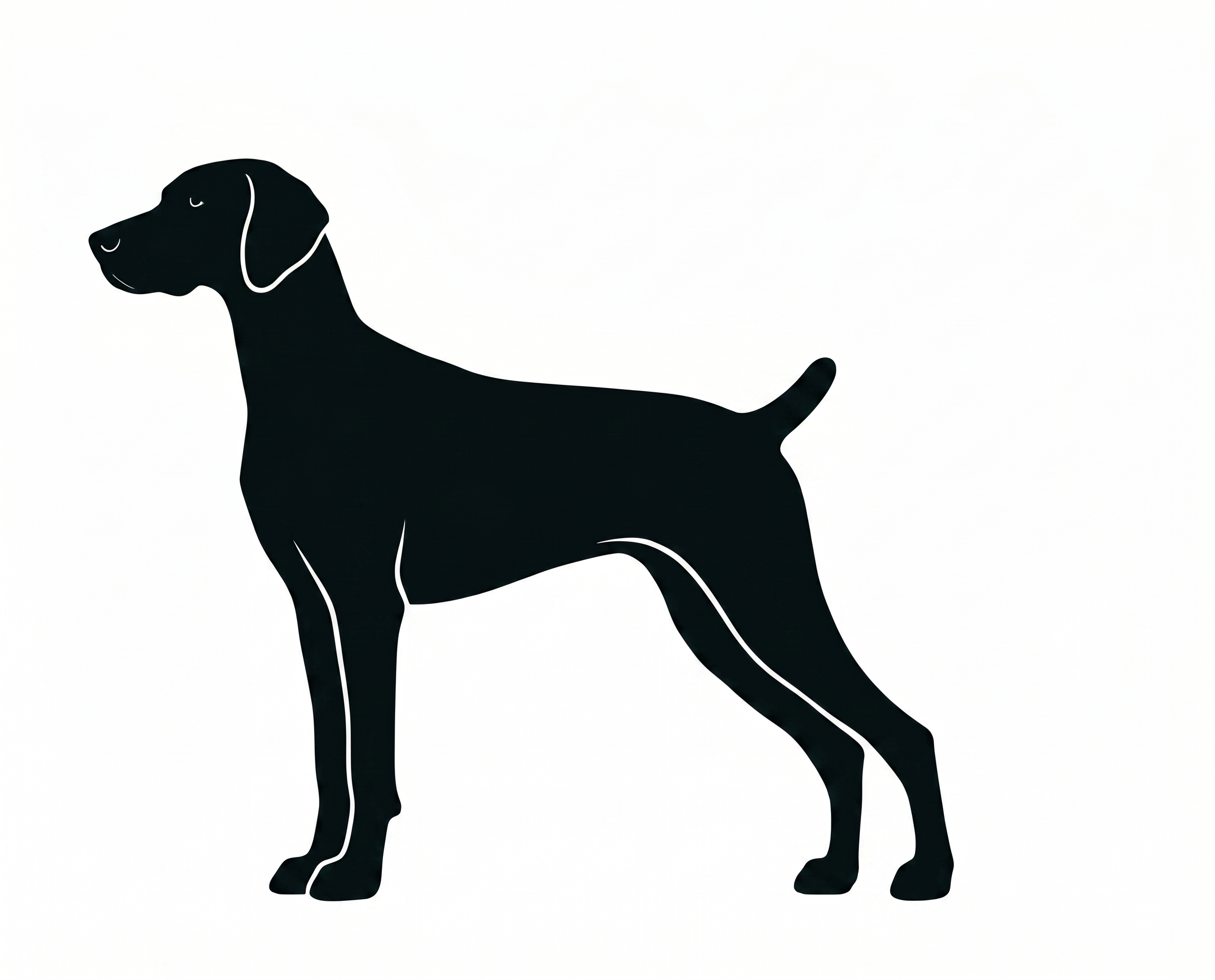
Fast, athletic, and highly driven. Built for movement and wide-range exploration.

Independent, alert, and agile. Known for strong instincts and escape tendencies.
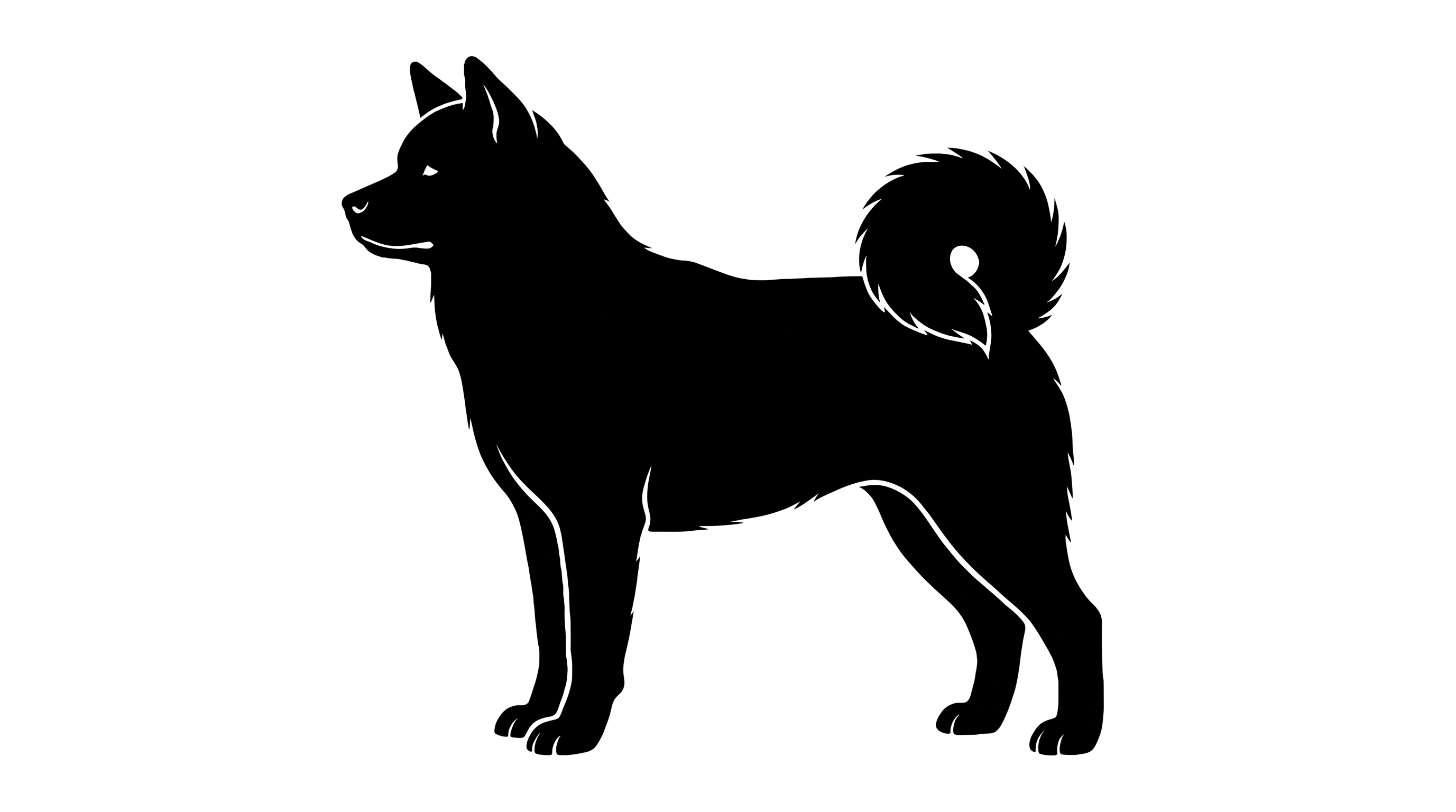
Powerful, loyal, and reserved. Strong-willed with high territorial awareness.
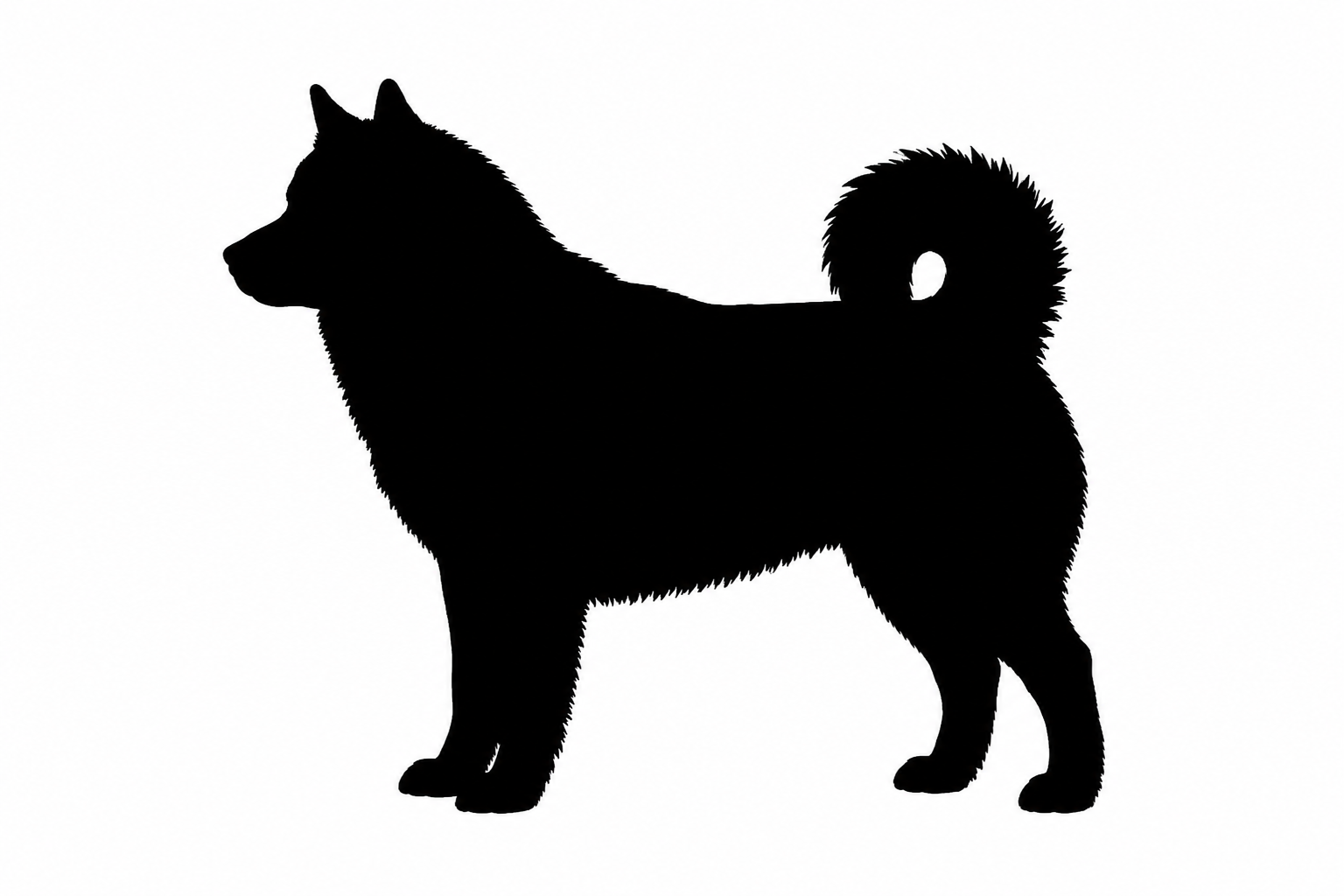
Powerful, independent, and built for heavy freight. When loose, may travel through rough corridors, follow resource scent, or shelter in cold cover rather than return on command.
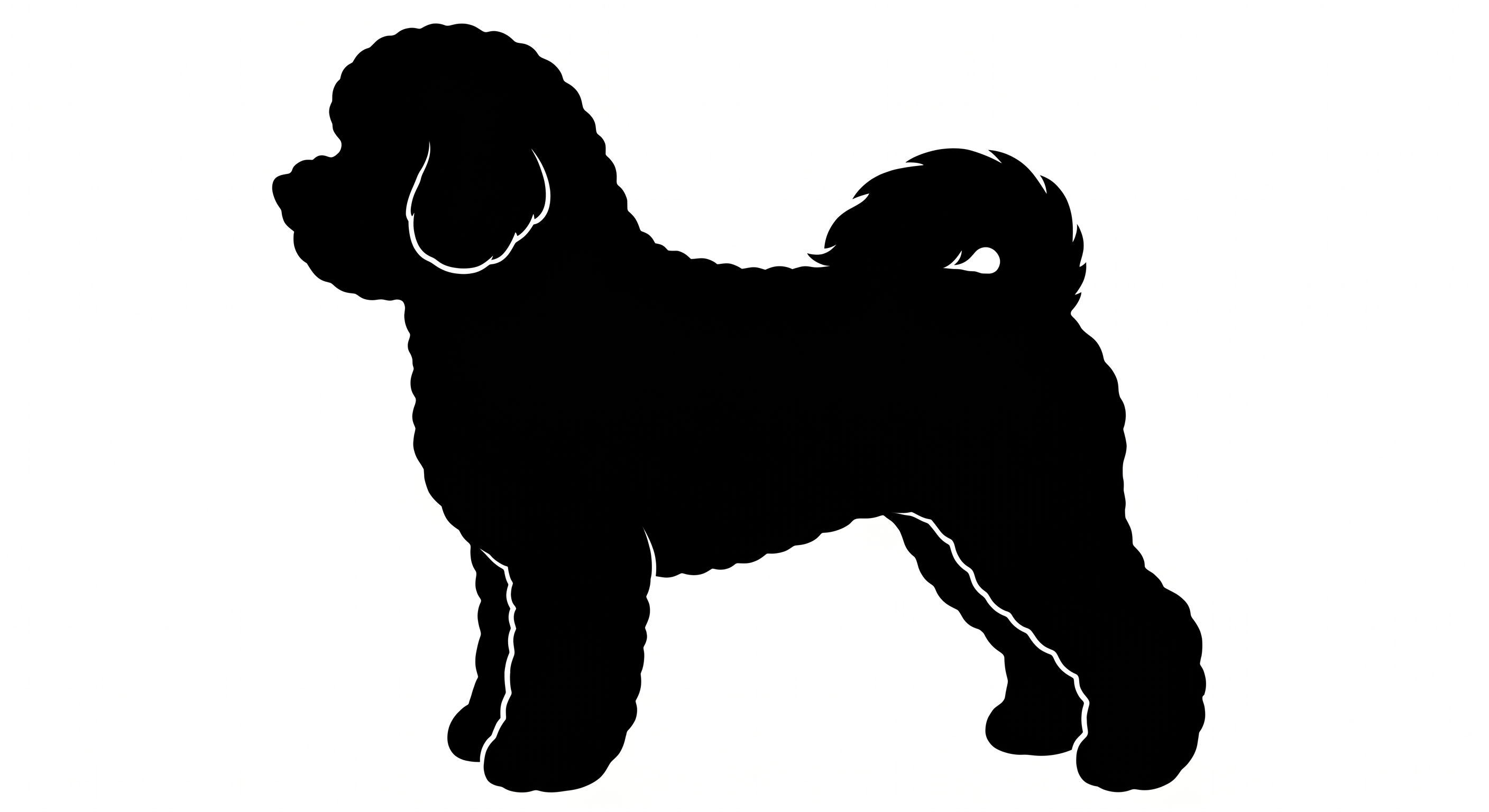
Friendly and people-oriented. Often remains nearby, but small size and fluffy coat can make a stressed dog easy to miss in cover.
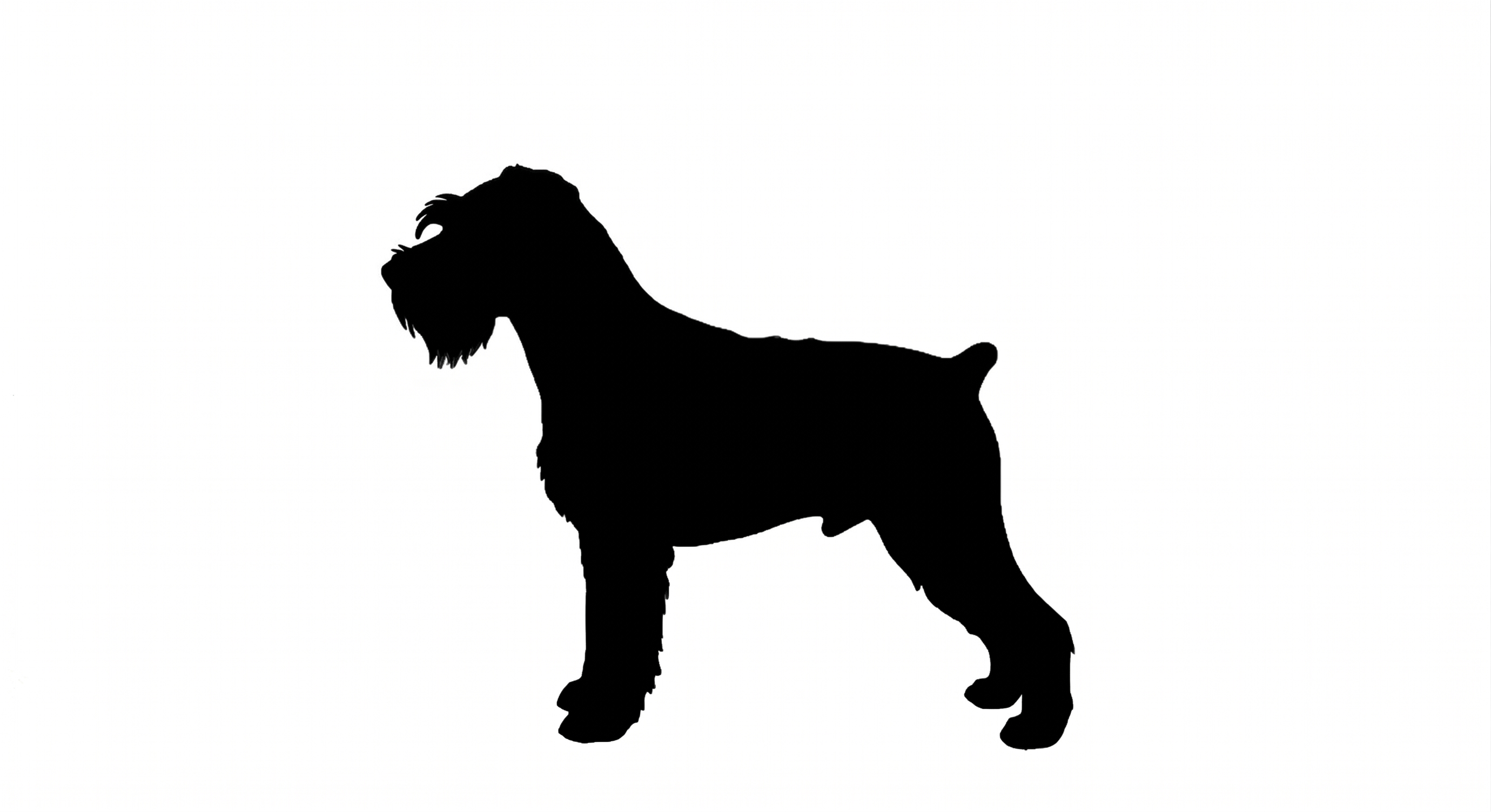
Smart, brisk, and highly alert. Search should prioritize neighborhood loops, fence lines, sidewalks, and sheltered spots near the escape point.

Small, people-oriented, and typically stays very close. Prioritize tight-radius search and nearby hiding spots.

Bold and curious. Likely to explore actively and investigate ground-level movement and dense cover.
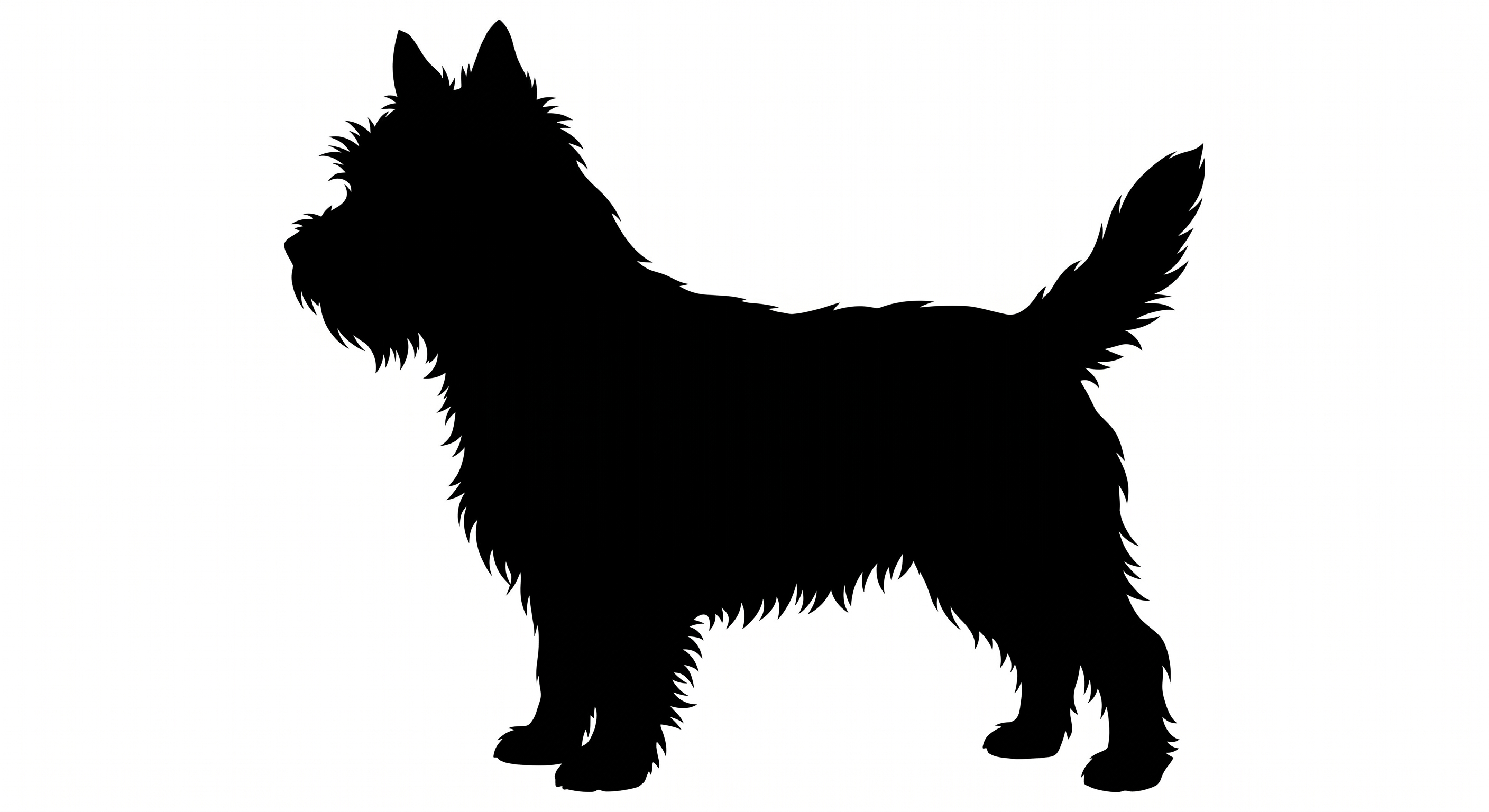
Small, hardy, and highly curious. Likely to investigate brush, gaps, rock edges, and tight cover close to the escape area.

Athletic, affectionate, and highly human-oriented. Often moves with confidence but may also engage with people or food-based recovery setups.
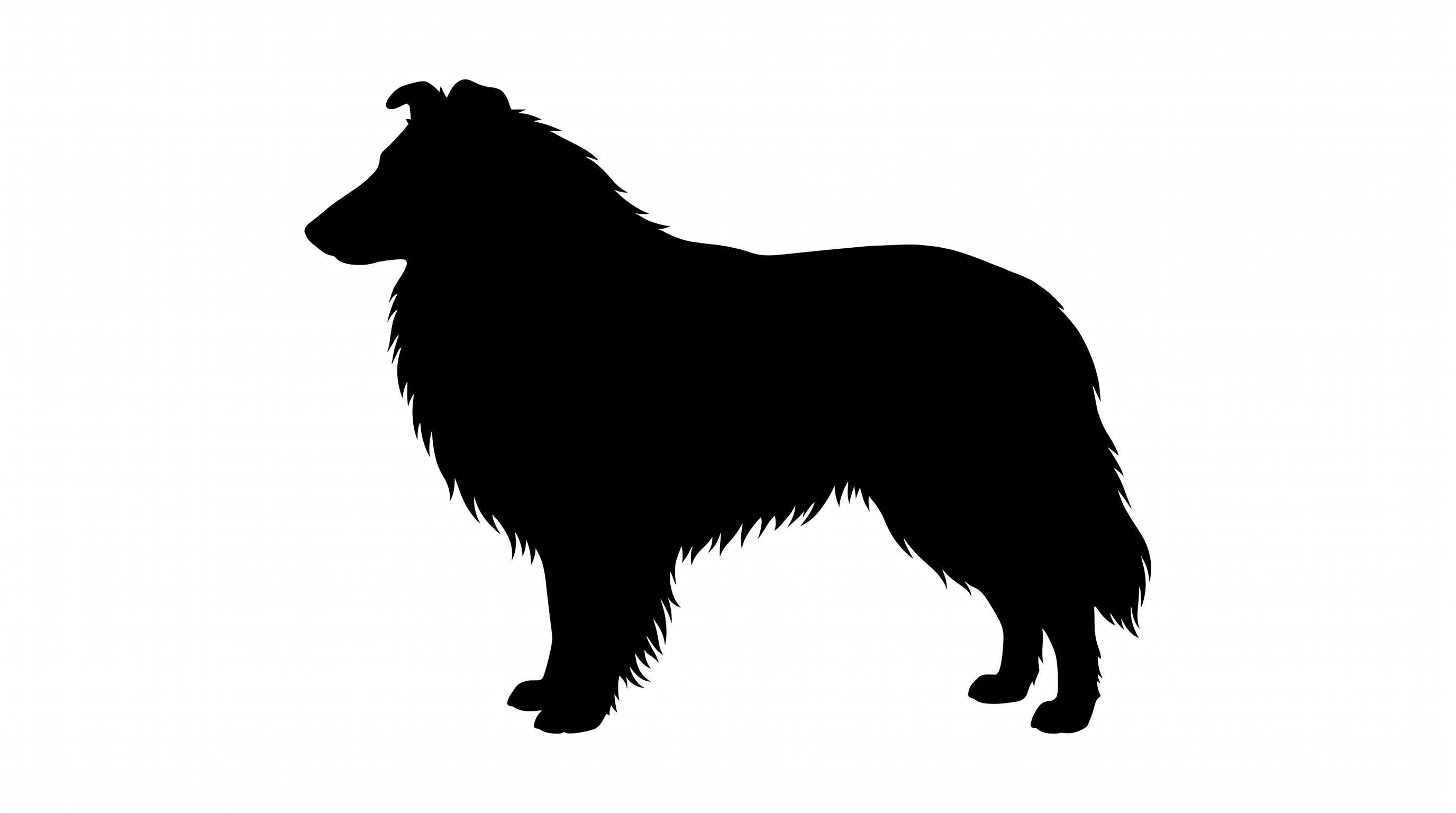
Devoted, observant, and emotionally responsive. Often stays tied to familiar routes or people, but can become cautious if recovery pressure rises.

Athletic, people-oriented, and energetic. Can cover real ground when loose but often remains relatively social and approachable — especially to familiar people.

Explosive sight-triggered flight response. Especially critical for recently adopted retired racers who may not yet respond to recall. Expand the search radius aggressively and early.
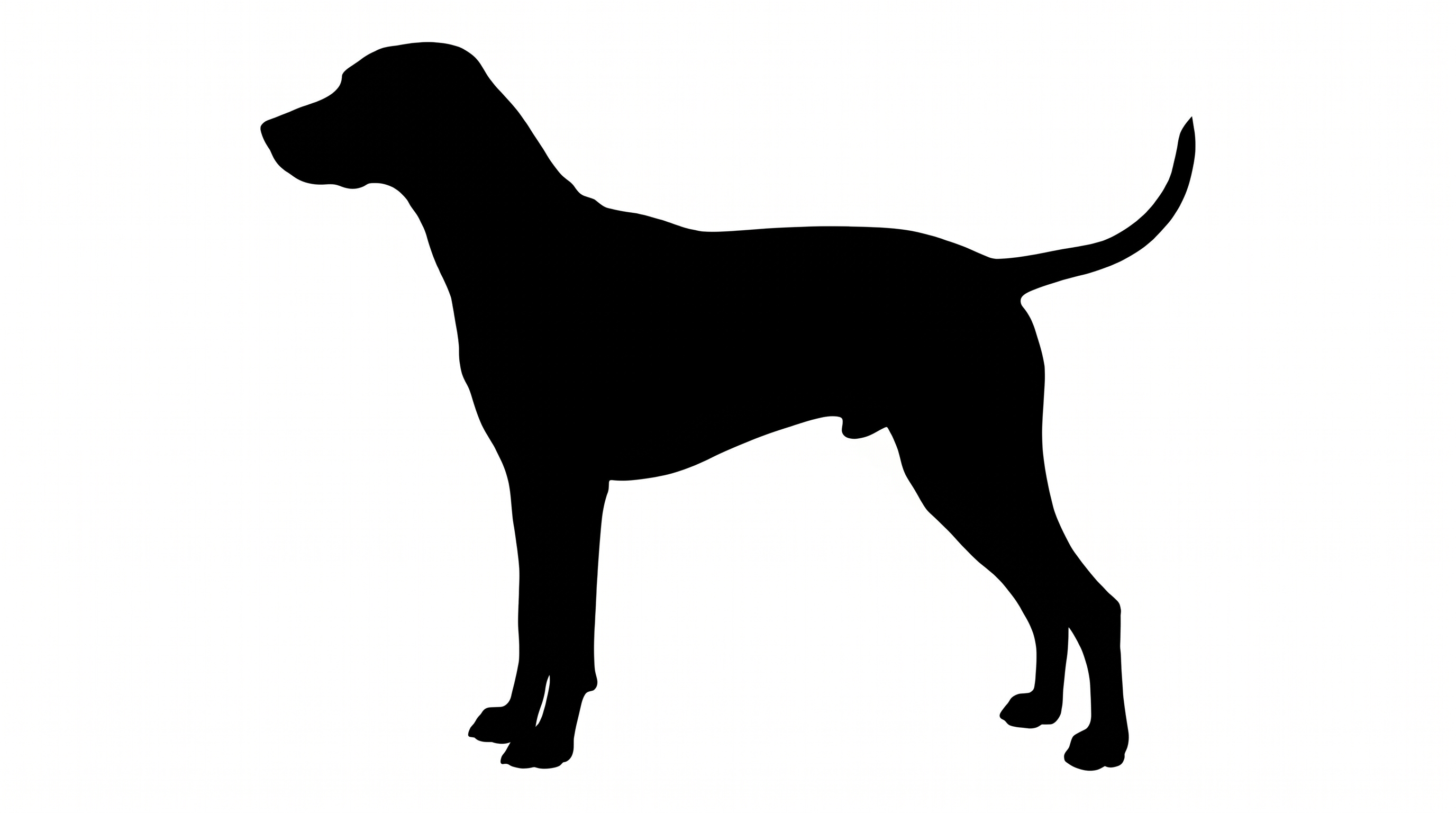
Athletic, confident, and built for distance. Confirm hearing status before recovery — a meaningful percentage of the breed is deaf in one or both ears, which changes recall strategy entirely.
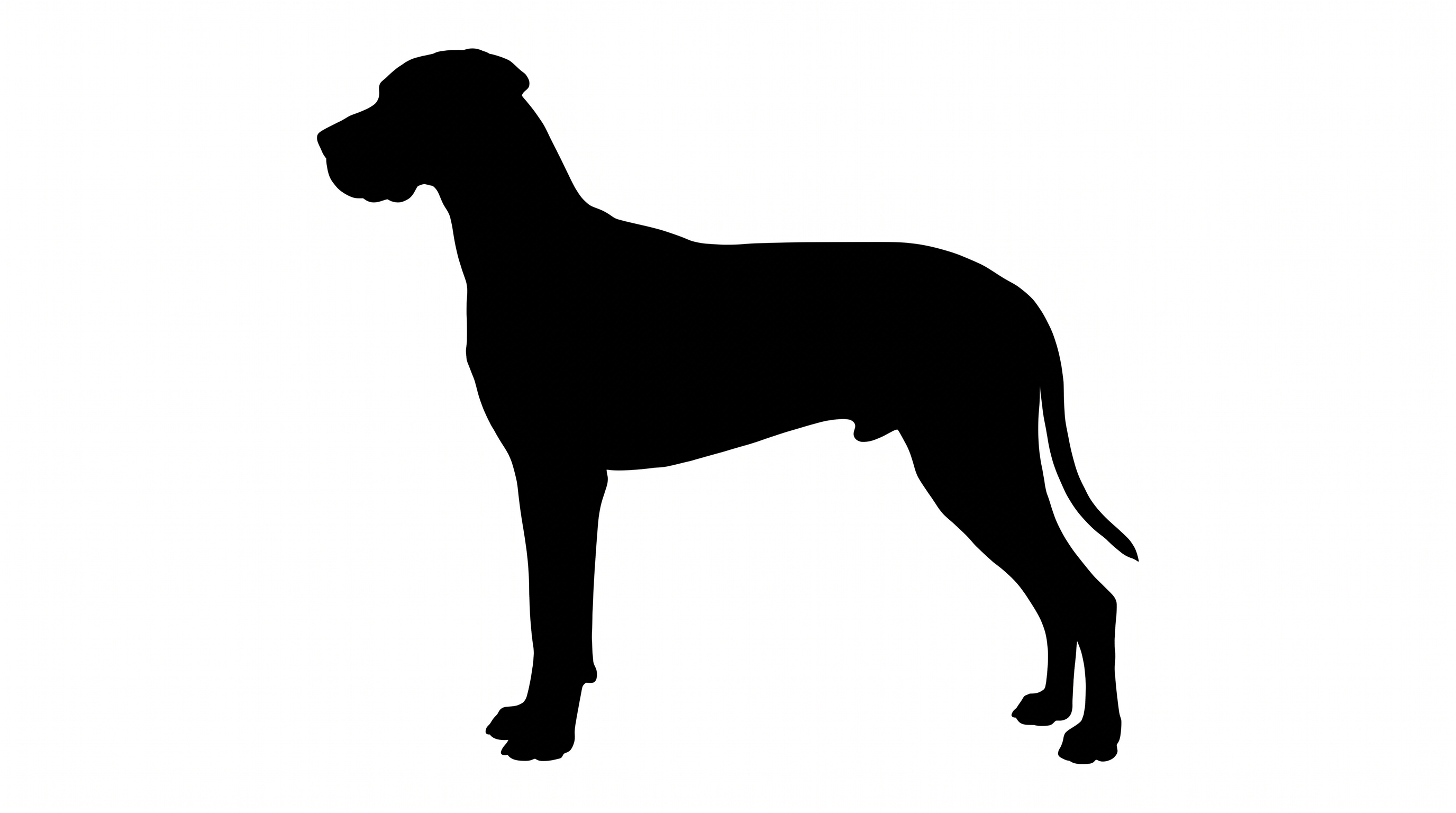
Despite the size, Great Danes rarely travel far. Search tight: under porches, in garages, behind sheds. They typically sprint, stop, and shelter — not roam.
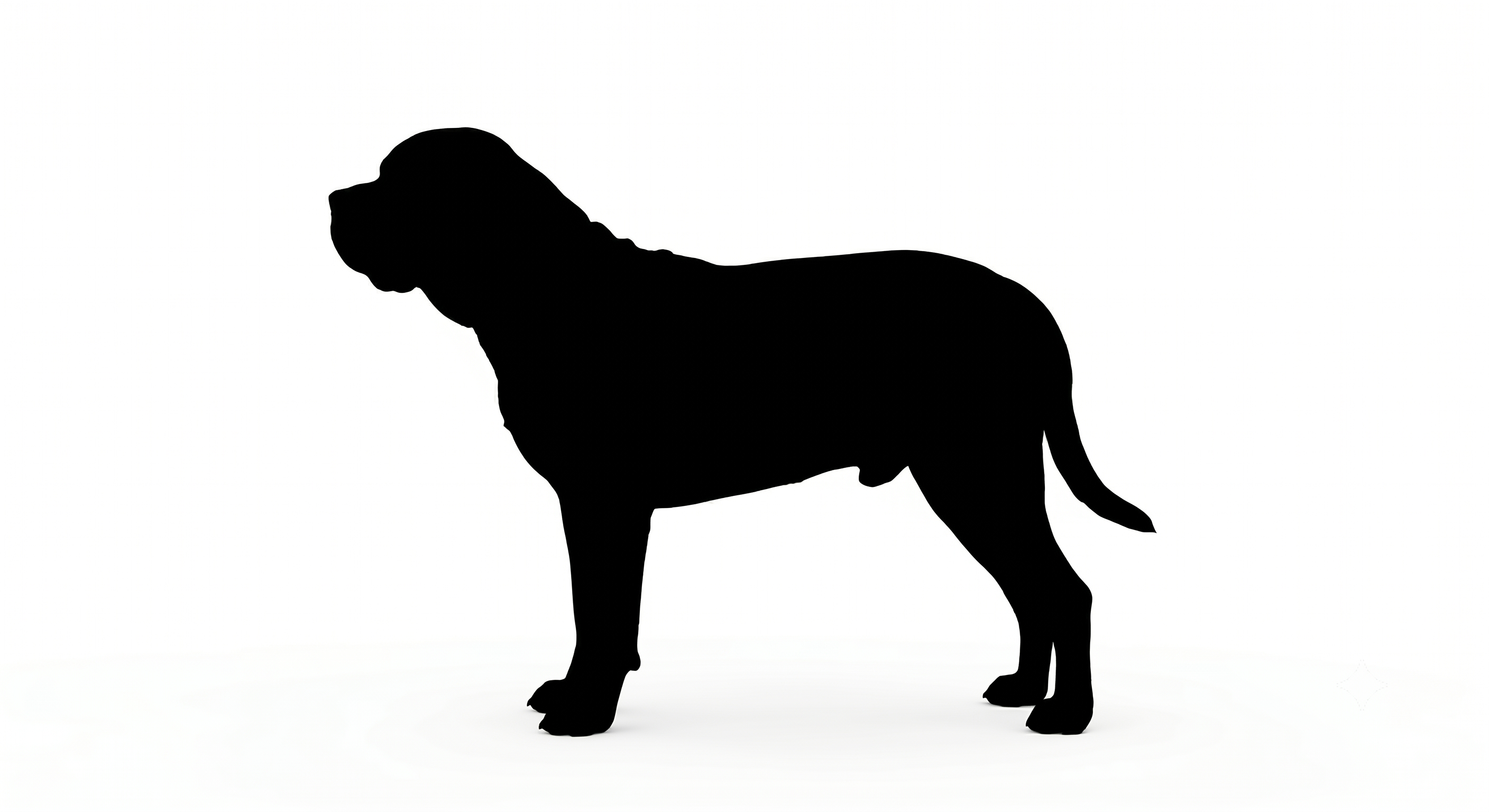
Massive, calm, and territory-aware. A missing Mastiff often slows quickly, seeks shelter, and remains closer to familiar scent zones than high-drive roaming breeds.
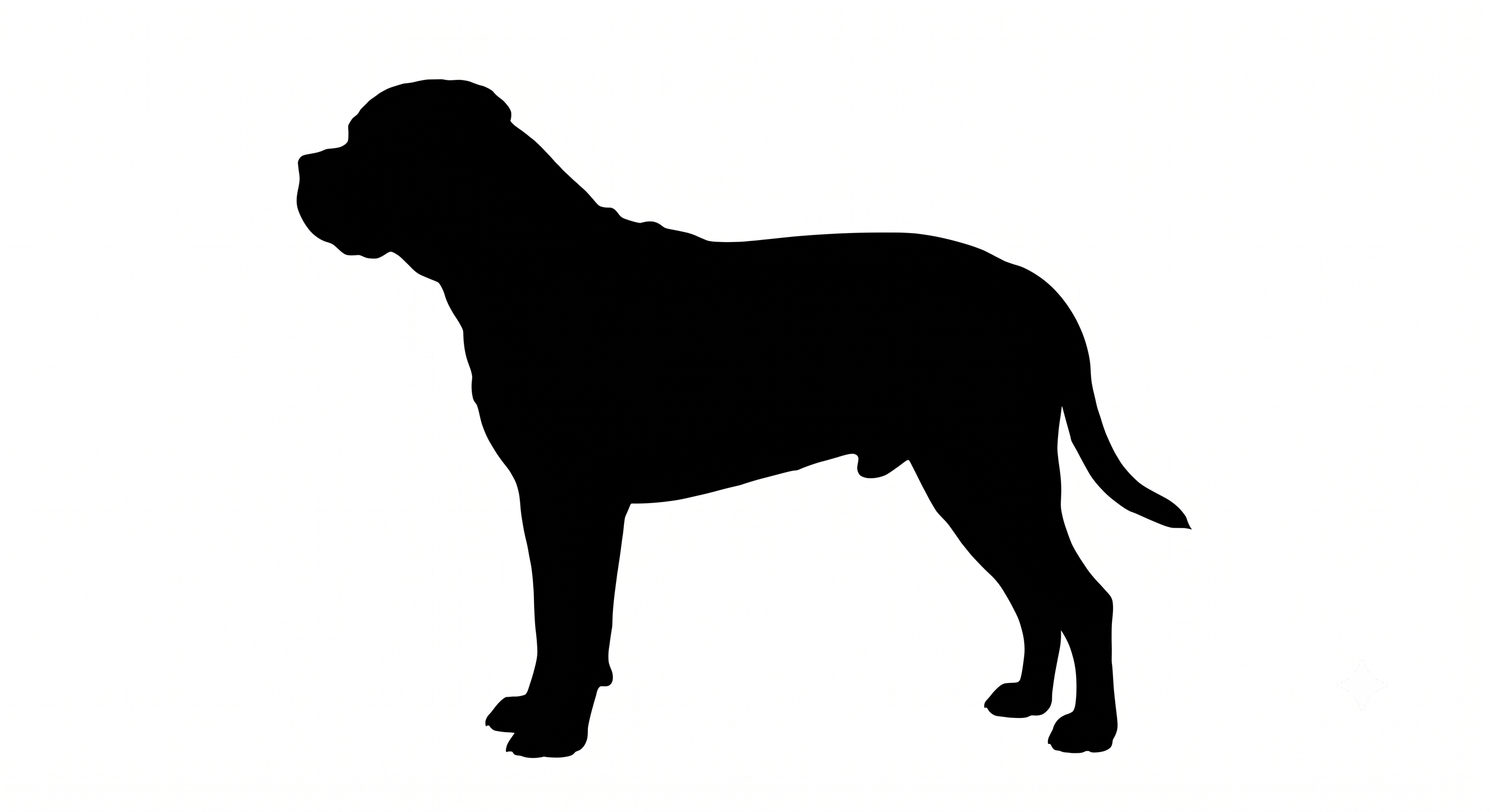
Watchful, powerful, and measured. Search should emphasize quiet perimeter checks, shaded resting spots, field edges, and calm owner-led contact rather than crowd pressure.

Highly intelligent and emotionally sensitive. A missing Sheltie may hide silently, circle familiar routes, and avoid direct approach even when bonded closely to family.
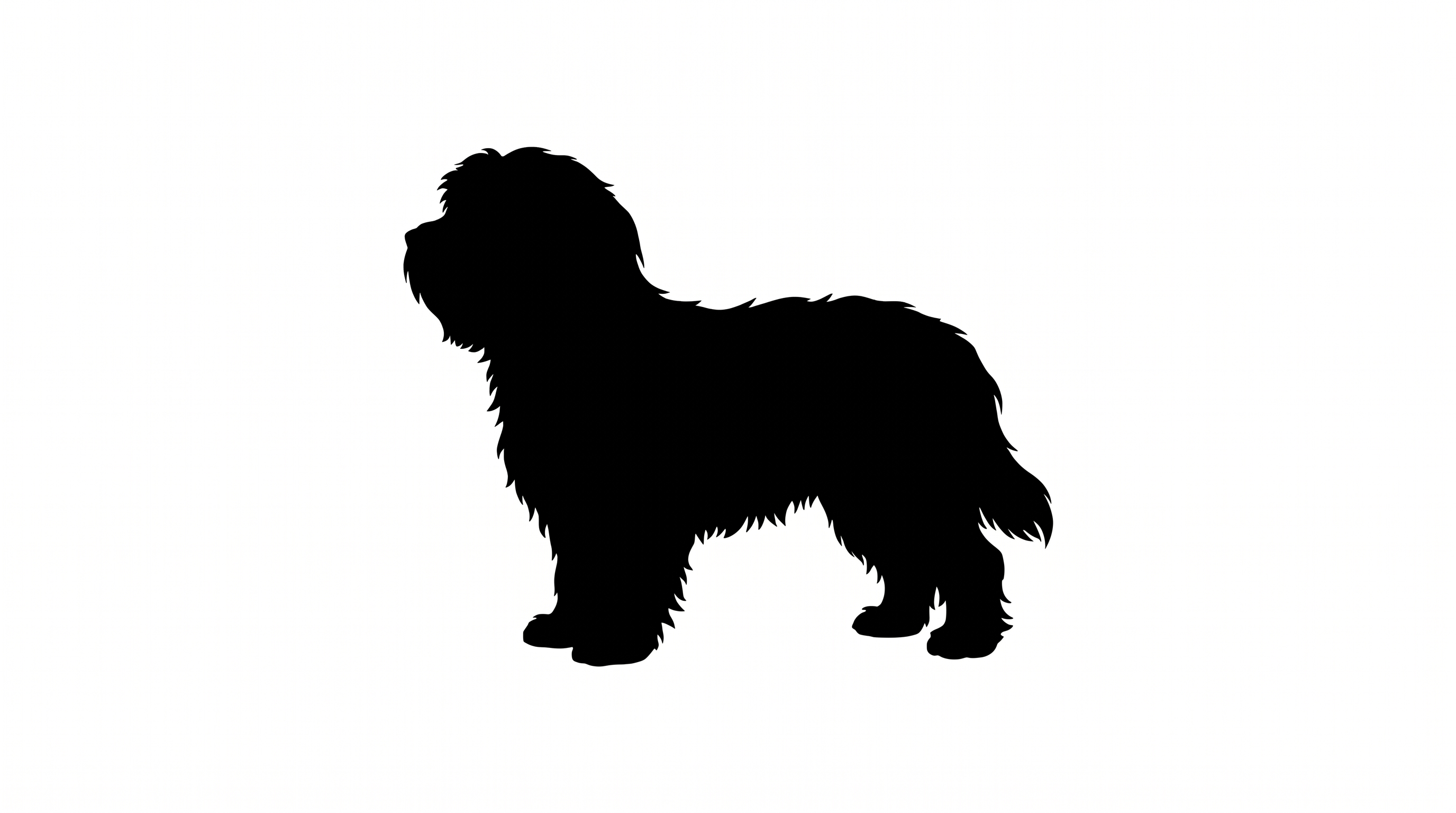
Doesn't get lost — gets separated. Usually found within a tight radius, sheltering near human activity and waiting to reconnect. Search close, search fast.

Friendly, highly trainable, and strongly people-oriented. Often stays socially recoverable, but energy and curiosity can widen the search radius if not contained early.
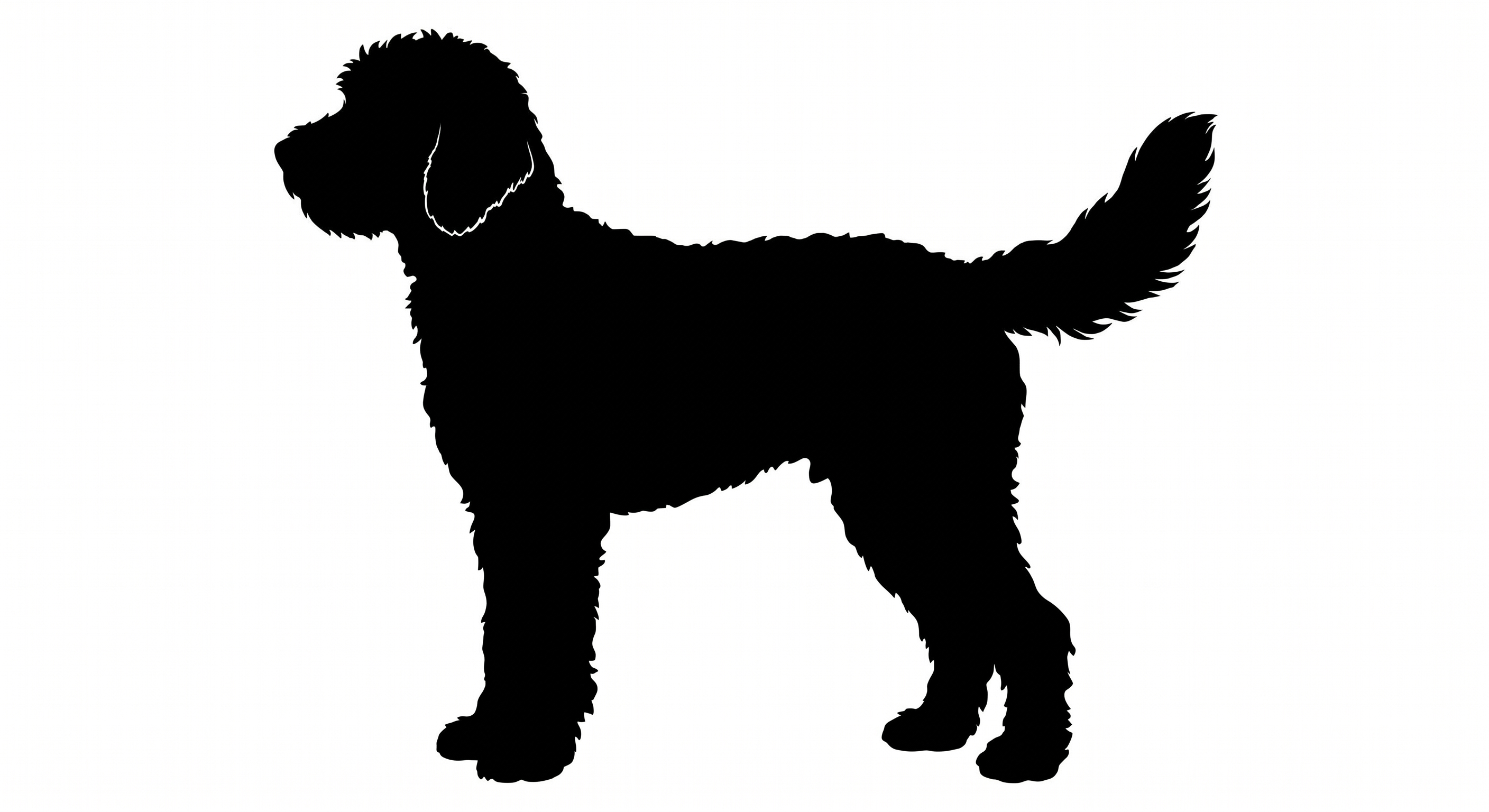
Intelligent, mobile, and highly human-oriented. Often recoverable through familiar handlers, but can shift quickly from attachment mode into exploratory movement if overstimulated.
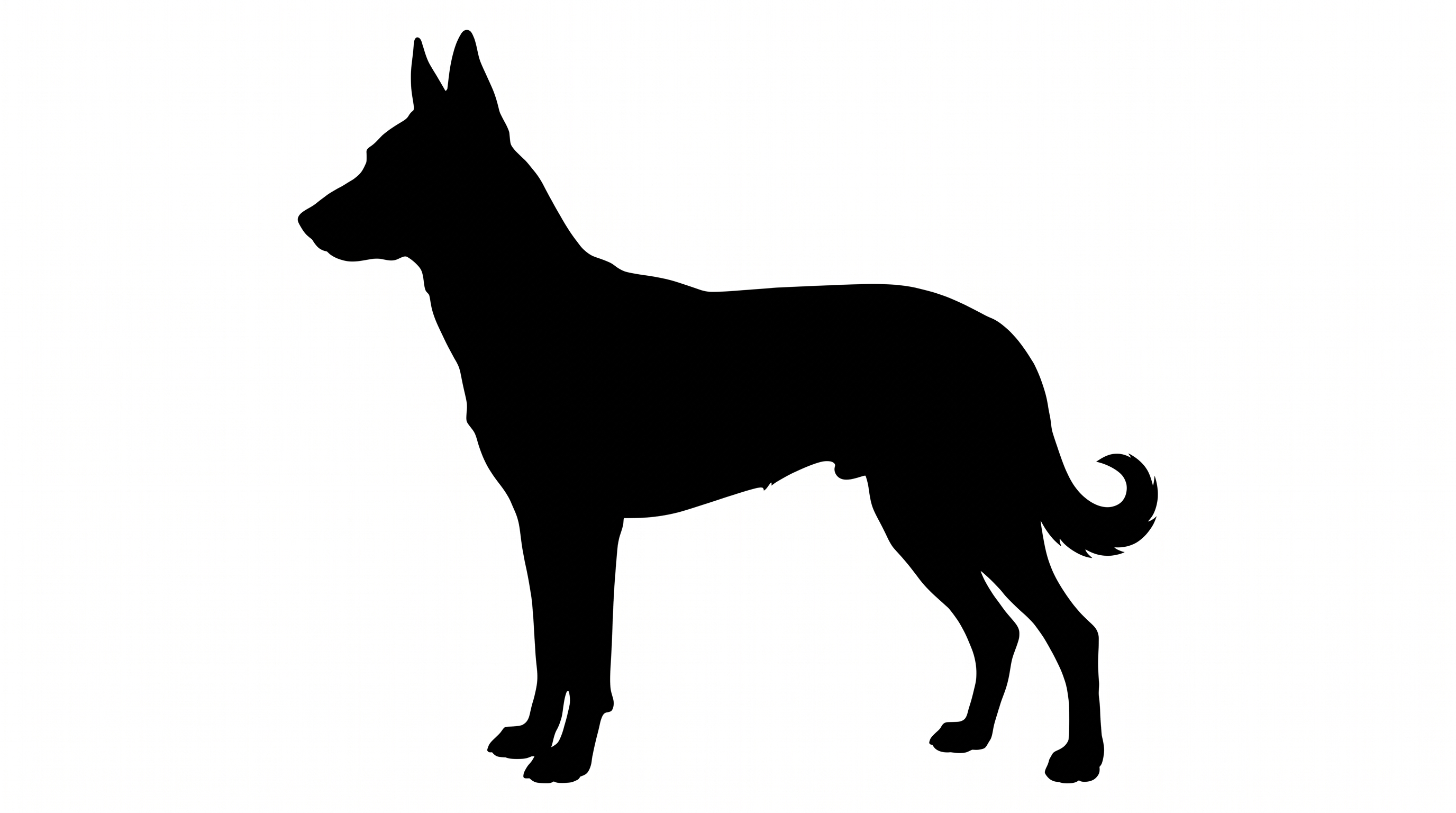
Fast, tactical, and highly driven. A loose Malinois may travel with purpose, widen the search radius quickly, and remain visually aware while avoiding capture pressure.

Athletic, independent, and highly observant. Often moves with purpose, uses terrain intelligently, and may avoid people even when aware of search activity.

Usually human-bonded and concealment-prone. Many stay relatively close to the escape point but become easy to miss in tiny shelter spaces, porches, shrubs, and under-structure cover.
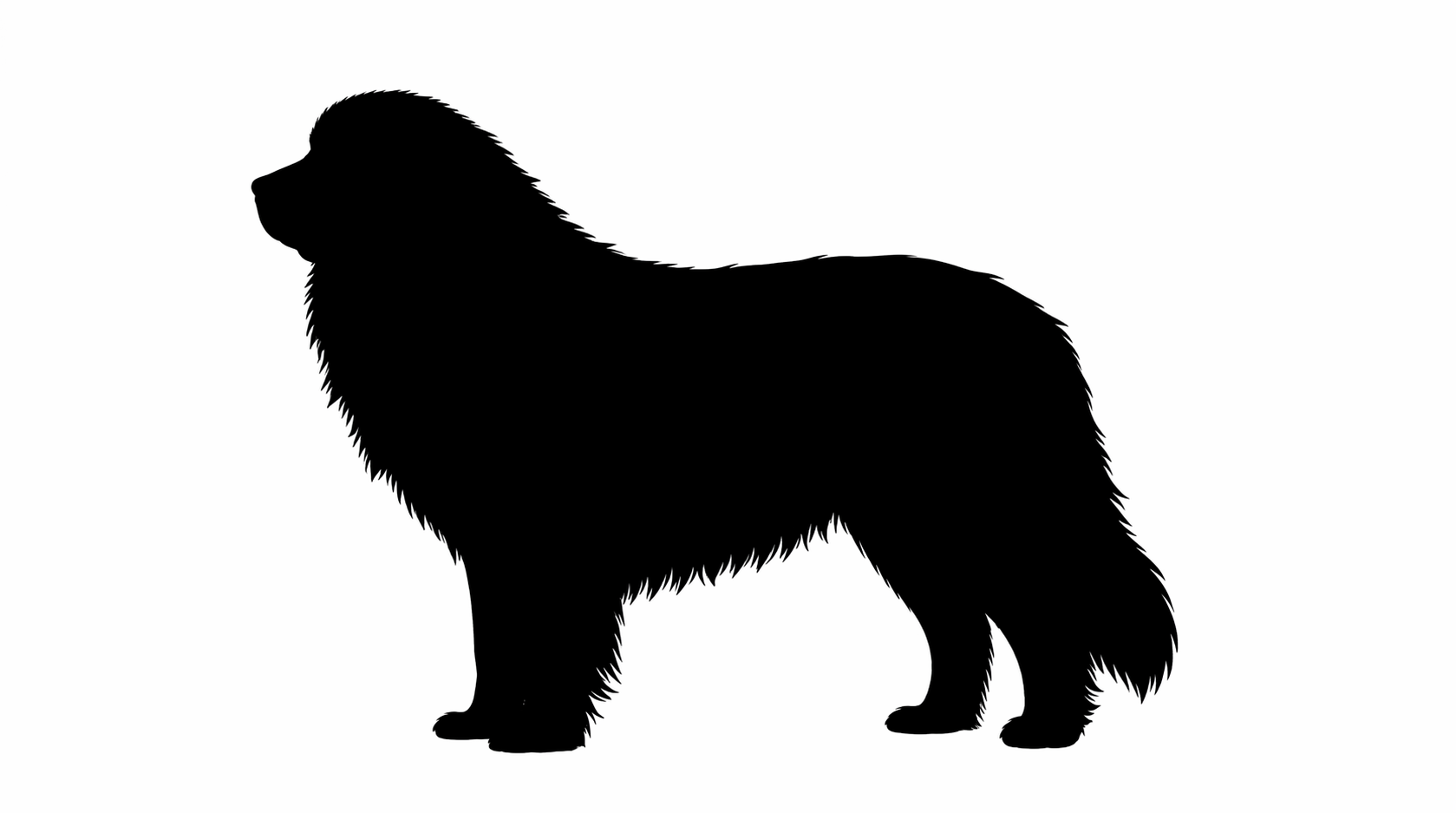
Calm, watchful, and highly independent. Often favors wide perimeter movement, elevation, and stand-off distance over direct approach.

Bold, self-directed, and low to the ground. Search should prioritize brush, foundations, under-structure cover, and tucked-away urban hiding spots.
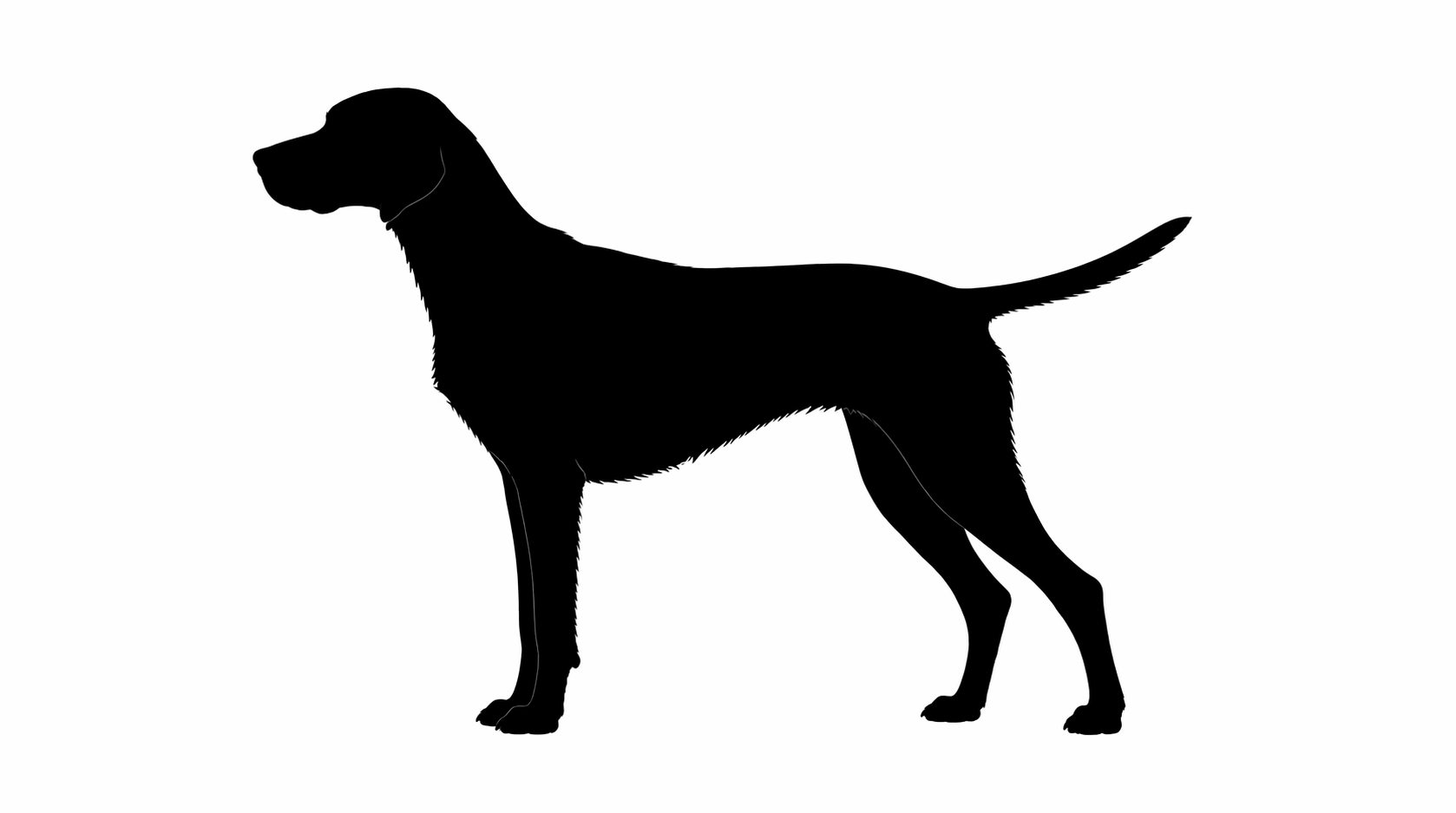
Fast, athletic, and deeply bonded. Can cover open ground quickly when momentum, prey drive, or field-style ranging behavior takes over.
Don’t see the breed you’re looking for?
Request a missing breed and help TailTracker prioritize future recovery-focused dog breed profiles.
Prepare before an emergency.
Most lost-pet tools broadcast alerts. TailTracker helps owners understand behavior, guide the search, and coordinate the recovery.
Create a TailTracker profile before your dog ever goes missing so you can act faster if the unthinkable happens.