Akita
Breed Guide
Powerful, dignified, loyal, and deeply bonded to family, the Akita is an ancient Japanese guardian breed. Its independence, territorial instinct, and strong person-specific attachment can all matter when a dog goes missing.
5 min read · Practical pet-owner education with recovery-focused guidance
Overview
The Akita is a large, muscular, double-coated dog of ancient Japanese lineage, admired for dignity, courage, loyalty, and a calm, powerful presence. Historically tied to northern Japan, the breed developed as a strong working dog capable of guarding, tracking, and handling difficult terrain and serious tasks.
In modern life, Akitas are often devoted family dogs with a serious temperament. They are typically deeply loyal to their people, but more reserved than overtly social breeds. Many do not seek attention from strangers and do not naturally assume unfamiliar humans are friends.
For TailTracker, that matters. A loose Akita may not behave like a happy-go-lucky dog who trots up to the first person with a leash and a treat. Depending on temperament, stress, and prior socialization, an Akita may move with purpose, hold distance, or stay wary even when spotted.
Physical Characteristics
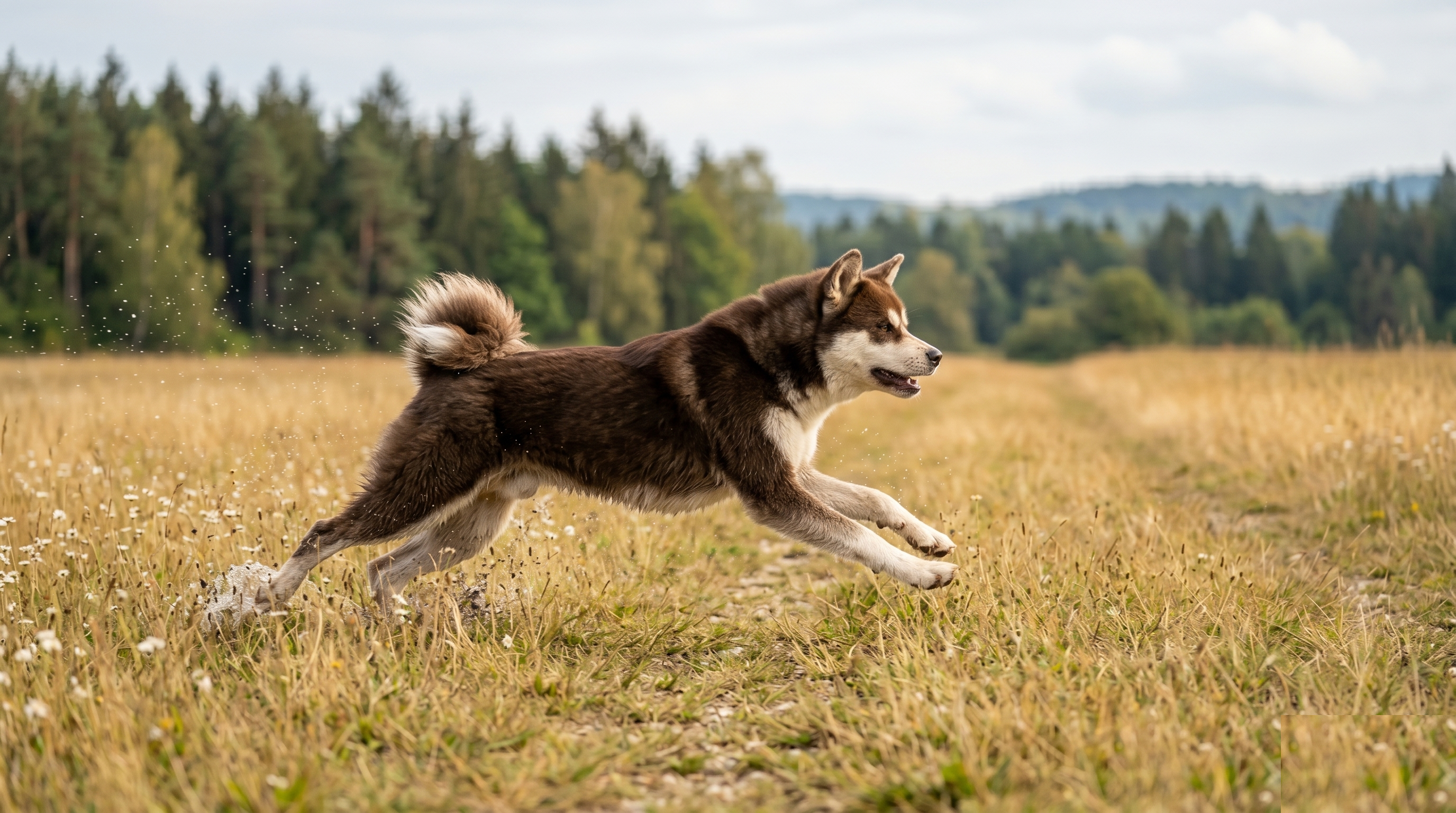
The Akita is substantial for its height: heavily boned, broad-chested, and built with real strength. The breed’s hallmark features include a large, bear-like head, erect triangular ears, a thick double coat, cat-like feet, and a tail carried in a curl over the back.
The breed is not lightly framed. Mature Akitas often present as imposing, physically confident dogs, and that size changes recovery dynamics. A frightened small companion dog and a frightened Akita are not field problems of the same type.
Coat colors vary, and seasonal shedding can be significant. Beneath the visual beauty is a dog engineered for cold-weather function, resilience, and physical presence.
Personality & Temperament
Akitas are typically loyal, alert, self-possessed, and serious. They often form very strong bonds with their household and may show affection quietly rather than constantly seeking social contact. Many owners love the breed precisely because it feels steady, noble, and deeply devoted.
At the same time, Akitas are not usually as socially easygoing as retrievers or many spaniels. They can be aloof with strangers, territorial around home ground, and less tolerant of pressure than people expect from a calm dog. Confidence does not always equal sociability.
This blend of loyalty plus reserve shapes lost-dog behavior. An Akita may seek a familiar person or familiar route, but avoid unknown helpers. It may also watch from a distance rather than closing the gap.
Living With This Breed
Living with an Akita means respecting the breed’s temperament rather than trying to make it into a social butterfly. Akitas often do best with calm, consistent leadership, clear structure, secure containment, and thoughtful socialization from an early age.
They generally need daily exercise, but the bigger management issue is usually judgment and control rather than sheer stamina. This is a dog that benefits from secure fencing, reliable leash habits, and owners who do not underestimate strength.
Because many Akitas are selective about strangers and same-sex dogs, household management matters. Preventing escapes, gate slips, and roaming opportunities is especially important with this breed.
History
The Akita traces back to northern Japan and is closely linked to the Akita Prefecture and the hunting traditions of the region. Earlier ancestors were used for demanding work, including big-game hunting and guarding.
The breed became a symbol of loyalty through the story of Hachikō, the Akita who continued waiting at Shibuya Station for his deceased owner long after the man’s death. Hachikō remains one of the most famous dogs in the world and helped make the Akita internationally recognized as a breed associated with devotion.
The Akita’s modern history also includes wartime decline, postwar restoration efforts in Japan, and later divergence between Japanese and American Akita lines. For TailTracker purposes, the central point is simpler: this is an old guardian breed with deep working roots, not a generic modern companion created only for easy suburban life.
Grooming & Health
Akitas have thick double coats and shed heavily, especially during seasonal coat blow. Routine brushing helps, but owners should expect real volume during peak shedding periods. This is not a low-maintenance coat, even though it does not require constant trimming like some coated breeds.
Breed-health discussions often include hip and elbow issues, eye disease, bloat risk, and several immune-mediated or autoimmune disorders that have been reported in the breed. Responsible breeders and owners should think in terms of screening, long-term monitoring, and informed veterinary care rather than assuming the breed’s stoic exterior means no vulnerabilities.
In daily life, the practical themes are coat care, joint awareness, secure weight management, and thoughtful handling of a powerful dog that may not show discomfort dramatically.
TailTracker Recovery Insight
The Akita is best modeled as a high-loyalty, high-territoriality, moderate-roaming, low-stranger-trust breed. That combination can create a very specific recovery pattern: the dog may remain more geographically anchored than a far-ranging scent hound, but still be difficult to physically recover if approached incorrectly.
In many cases, an Akita that has slipped loose does not dissolve into panic wandering. Instead, it may move with deliberate intent, return toward familiar zones, patrol an edge, hold up near cover, or keep visual distance while tracking people and activity.
The challenge is not always finding the dog. The challenge is converting the sighting into a safe recovery. Helpers who rush, corner, or over-engage can turn caution into avoidance very quickly.
If This Breed Goes Missing
Think familiar territory, familiar people, and low-pressure recovery. An Akita may stay more connected to home range and household routines than some breeds, but may not welcome hands-on help from strangers.
- Start with the dog’s own geography: home perimeter, usual walking loops, vehicle routes, favorite lookout spots, and places where the dog normally pauses or patrols.
- Use the most trusted household person whenever possible. A familiar voice and calm posture usually matter more than multiple helpers calling loudly.
- Avoid crowding, chasing, or trying to corner the dog. An Akita that feels pressured may increase distance or become harder to handle safely.
- Check territorial edge zones such as driveways, fence lines, wooded margins, quiet roads, and vantage-point areas where a watchful dog may stop and observe.
- If sighted, think containment and relationship before capture. Visual contact is not the same as recoverability with this breed.
Recovery is often strongest when owners stay calm, reduce social noise, and organize the search around known routines instead of assuming that every sighting should trigger immediate physical pursuit.
Fun Facts
In Japan, Akitas have long been associated with good health, happiness, long life, and protection. The breed is far more than a pet; it carries cultural symbolism.
Hachikō’s story made the Akita one of the most widely recognized examples of canine loyalty in the world.
Helen Keller helped introduce the breed to the United States after receiving Akitas during her visit to Japan, giving the breed an important early foothold in American history.
Famous Examples
Hachikō is the most famous Akita in history. His long vigil at Shibuya Station made him a global symbol of loyalty and helped define public understanding of the breed.
Kamikaze-go and Kenzan-go are historically important because they were the first Akitas presented to Helen Keller, who played a major role in bringing the breed into American awareness.
Beyond named dogs, generations of Japanese Akitas earned lasting respect as strong, serious working dogs tied to regional identity, hunting history, and preservation efforts in Japan.
Frequently Asked Questions
Are Akitas likely to come to strangers if lost?
Not always. Many Akitas are reserved with unfamiliar people, so a sighting does not guarantee that the dog will allow easy handling.
Do Akitas usually run very far?
Some can, but many are more place-aware and territorial than true distance-roaming breeds. The bigger issue is often cautious recoverability, not extreme mileage.
What is the biggest recovery mistake with a loose Akita?
Turning the scene into a social pressure event. Too many people, loud calling, or attempts to rush the dog can make a reserved Akita harder to recover safely.
Build a smarter recovery plan before your dog ever slips away.
TailTracker helps you organize your dog’s profile, routines, behavior clues, and recovery priorities so you can act faster in the moments that matter most.
Built to help reunite lost pets with the people who love them.