Welsh Corgi
Breed Guide
Small in stature but bred for purposeful cattle work, Welsh Corgis combine intelligence, independence, and strong environmental awareness. These traits directly influence how the breed behaves when loose or missing.
5 min read · Practical pet-owner education with recovery-focused guidance
Overview
The Welsh Corgi refers to two closely related herding breeds: the Pembroke Welsh Corgi and the Cardigan Welsh Corgi. Both originated in Wales and share strong working instincts, intelligence, and environmental awareness.
Welsh Corgis were developed for cattle work, and their low height helped them nip at heels while staying below the reach of hooves. Despite their compact size, they are sturdy, agile, and capable of long days of purposeful movement.
For recovery planning, the breed matters because this is not simply a decorative small dog. The Welsh Corgi is a working breed in a compact frame, often alert to motion, quick to respond to environmental changes, and capable of moving with surprising confidence and direction when loose.
Personality & Temperament
Welsh Corgis are alert, intelligent, and often independent thinkers. They form strong bonds with family while maintaining a confident and curious nature. Many notice movement quickly and may react instinctively to animals, vehicles, people, or activity entering their space.
Their herding background often shows up in how they organize space. Many Corgis are naturally tuned to movement control, edge awareness, and directional travel. That can make them feel purposeful rather than random when they move through a neighborhood or unfamiliar environment.
Temperament can vary between individuals and between Pembrokes and Cardigans, but in general the breed tends to combine sociability with self-direction. A frightened Corgi may not always rush directly to strangers. Some will pause, observe, and decide before approaching.
Living With This Breed
Welsh Corgis usually do best when life includes both structure and stimulation. Their working heritage means they often enjoy training, neighborhood walks, puzzle games, herding-style play, and tasks that give them a sense of involvement.
Because they are smart and environmentally engaged, boredom can become a real issue. A Corgi that lacks outlets may invent its own job, whether that means excessive barking, patrolling, shadowing movement around the home, or testing doors and gates for opportunities.
Their build also deserves respect. Although hardy and active, they are long-bodied, low-set dogs, so owners should be thoughtful about weight control, conditioning, jumping strain, and joint and spinal health over time.
History
Welsh Corgis originated in Wales as cattle herding dogs. Their working style was that of a “heeler,” meaning they drove larger livestock by nipping at the heels and then darting away from danger. Their low height and agility made that specialized farm role possible.
The two modern Corgi breeds developed along separate historical lines. The Pembroke Welsh Corgi is often associated with dogs brought by Flemish weavers, while the Cardigan Welsh Corgi is commonly linked to older Nordic influences and a probable shared ancestry with the Swedish Vallhund.
Over time, both breeds moved from practical farm work into companionship and show life, but their original instincts did not disappear. The same traits that once made them effective cattle dogs still influence movement style, alertness, and recovery behavior today.
TailTracker Recovery Insight
The Welsh Corgi combines herding instinct with moderate independence. When loose, many move with purpose and often follow boundaries, sidewalks, fence lines, or neighborhood loops rather than wandering without pattern.
Unlike scent-driven hounds, Corgis are generally less likely to drift for long distances in a purely nose-led search pattern. Instead, they may stay organized around familiar travel corridors, homes, yards, driveways, or routes where activity is easy to monitor.
TailTracker models the breed as moderately owner-oriented, highly aware of environmental movement, and reasonably recoverable when search pressure stays calm. One advantage with this breed is that some individuals stop and assess instead of running continuously, which can create better containment opportunities.
If This Breed Goes Missing
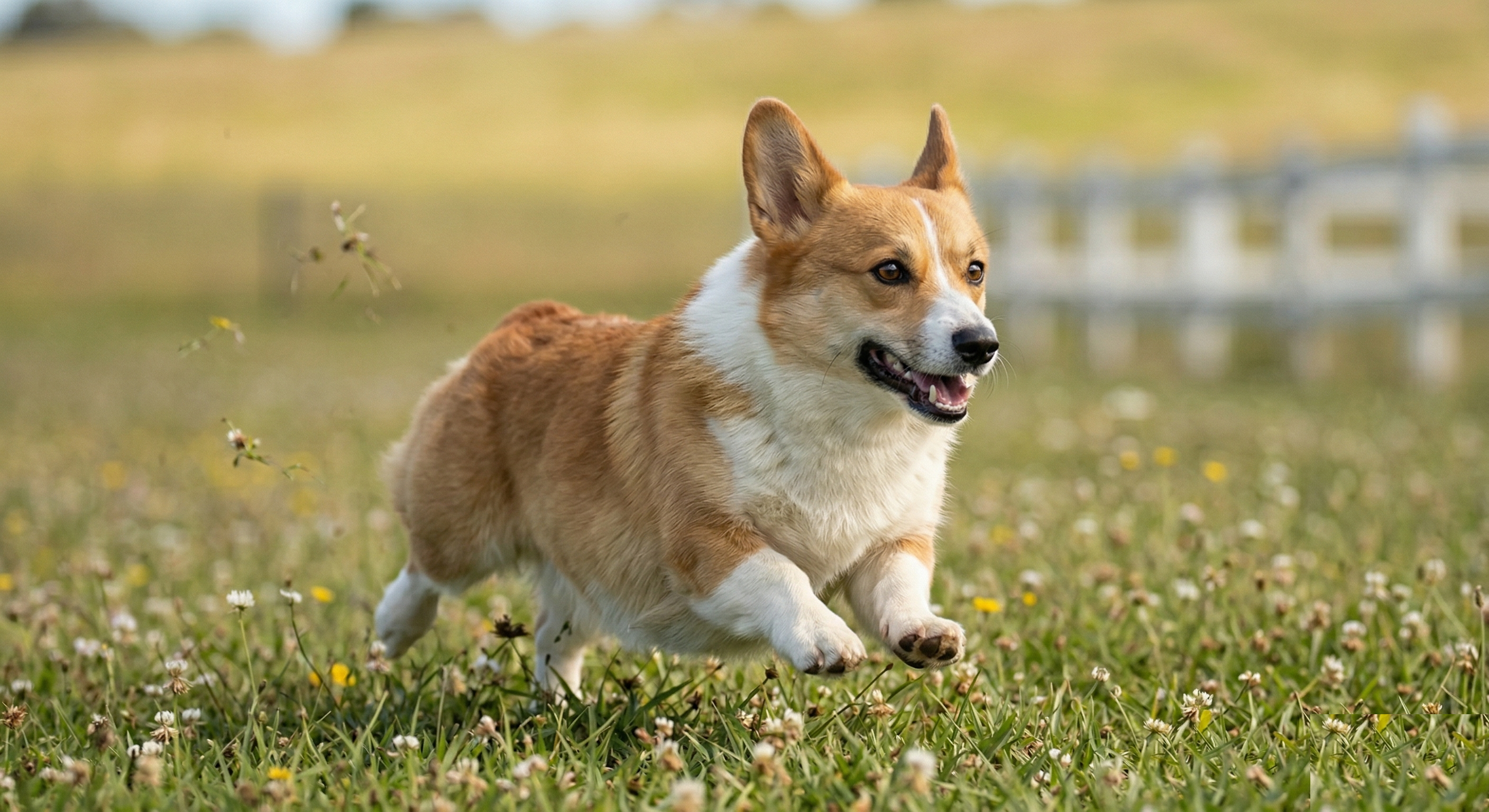
A loose Welsh Corgi often stays more structured than owners first expect. Many will move along sidewalks, neighborhood loops, fence lines, driveways, or familiar walking routes instead of disappearing into a wide, scent-led drift pattern. Because the breed is observant, some may also pause and monitor from short cover rather than staying in constant motion.
- Search first along sidewalks, neighborhood loops, familiar walking paths, and routes the dog regularly travels.
- Check fence lines, yard edges, porches, shrubs, parked cars, and sheltered residential hiding spots.
- Avoid chasing. A Corgi may turn movement into a herding-style chase or flight pattern and widen distance unnecessarily.
- Use calm, familiar voices and relaxed body language rather than high-energy calling or rushing in.
- Watch from a distance when possible. Some Corgis pause and assess rather than continuously running.
- Use gentle containment strategy if sighted. A Corgi that feels pressured may keep moving, but one that feels safe may stay within a manageable area.
Welsh Corgis are often highly recoverable when calm containment and familiar-handler strategy are used early. The biggest mistake is assuming that small size means easy approach. Many Corgis are bold, perceptive, and fully capable of choosing distance under stress.
Fun Facts
Queen Elizabeth II helped make the Pembroke Welsh Corgi one of the most recognizable dog breeds in the world. Her long association with Corgis made the breed a cultural icon far beyond dog circles.
The word “Corgi” is commonly interpreted from Welsh roots meaning “dwarf dog,” a fitting name for a breed built low to the ground but full of working confidence.
Although people often think of Corgis as charming companion dogs first, their original role was serious farm work. They were bred to think quickly, move decisively, and manage much larger animals than themselves.
Frequently Asked Questions
Are Welsh Corgis likely to wander far?
Usually not in the same way as scent hounds, but they can still cover meaningful ground if they keep moving through neighborhood routes, edges, and activity corridors.
Are Corgis easy to approach when lost?
Some are, especially with familiar people, but others may pause, observe, and avoid direct pressure. Calm approach matters.
What is the biggest recovery mistake with a loose Corgi?
Chasing or adding too much excitement. A Corgi may respond to fast movement by turning the situation into a game, a herding pattern, or a wider flight loop.
Know your breed before an emergency happens.
TailTracker helps pet families prepare for the critical first hours after a dog goes missing with recovery-focused breed insight, practical planning, and better coordination.
Most lost-pet tools broadcast alerts. TailTracker helps organize the recovery.