TailTracker Breed Directory · Behavioral-based recovery technology for missing reptiles
TailTracker Breed Library
Reptile Guides
Explore reptile types and learn how different reptiles may behave when lost.
TailTracker combines reptile education with recovery-focused insight to help owners
understand warmth, concealment, humidity, basking logic, escape routes, and species-specific movement limits before an emergency happens.
Reptile education with real recovery context for reptile owners
Directory overviewGrowing library
TailTracker reptile guides are built to do more than describe species appearance.
They help owners understand how thermal needs, climbing ability, concealment behavior, humidity preference, and movement style may shape search priorities if a reptile goes missing.
Unlike many mammals and birds, reptiles often move slowly, hide deeply, seek warmth, and remain silent. Recovery often depends on room-by-room thermal logic and careful inspection of enclosed spaces rather than obvious visual searching.
Available now
9
Reptile guides currently featured in this directory view.
Browse toolsInteractive
Showing 9 reptile guides in the current view.
Recovery intelligenceThermal search logic
Browse Reptiles
Compare core recovery signals at a glance while the full reptile guide library is being built.
Featured Guide
Ball Python
Snake
Heat, Tight Spaces, Silent Curl-Up Hider
Heat-Seeking8/10
Concealment10/10
Approach Tolerance5/10
Often recovered near warm appliances, behind furniture, in closets, or in tight dark spaces that mimic secure hides.
Recovery profileBall Python
Reptile Guide
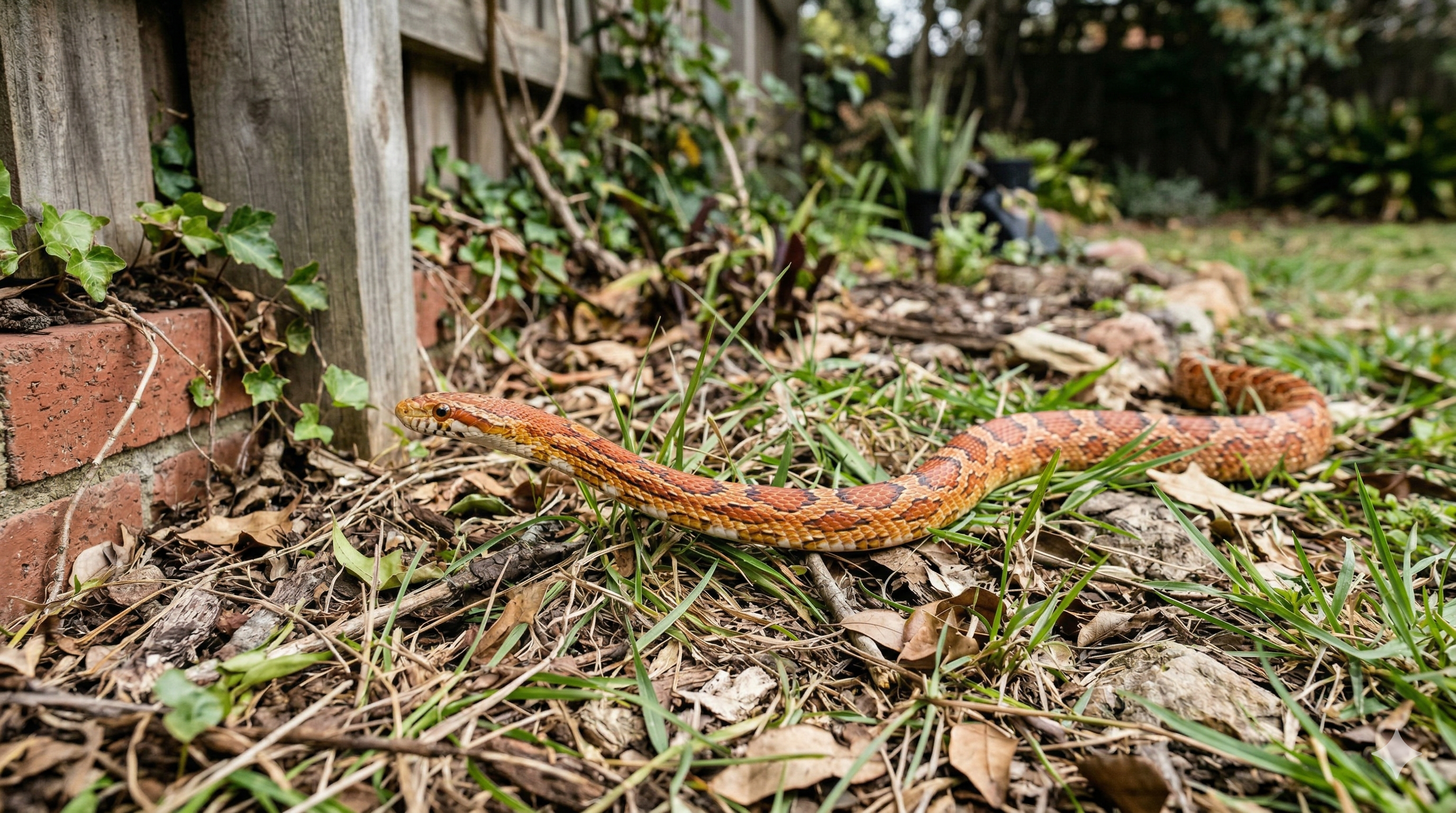
Corn Snake
Snake
Explorer, Edge-Follower, Warm Cavity User
Heat-Seeking7/10
Concealment9/10
Approach Tolerance6/10
More exploratory than some heavier-bodied snakes. Searchers should inspect edges, wall voids, under-storage zones, and warm protected routes.
Recovery profileCorn Snake
Reptile Guide
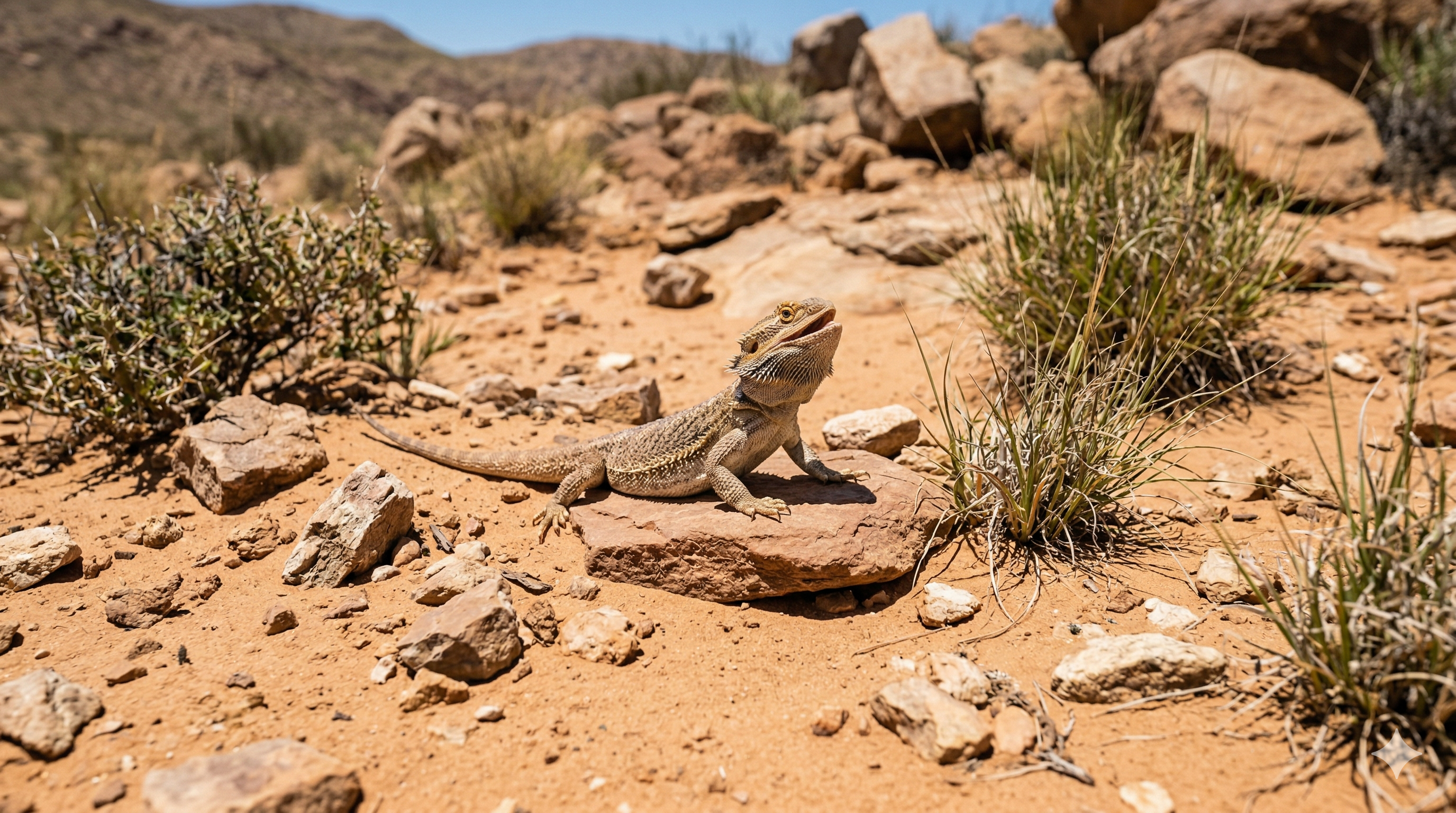
Bearded Dragon
Lizard
Heat-Seeking Basking Drifter
Heat-Seeking9/10
Concealment7/10
Approach Tolerance7/10
Often drawn to warm light, sunny patches, electronics, and exposed basking spots rather than the deepest hidden voids.
Recovery profileBearded Dragon
Reptile Guide
Leopard Gecko
Gecko
Crevice Hider, Warm Surface Seeker
Heat-Seeking8/10
Concealment9/10
Approach Tolerance6/10
Likely to hide under furniture, behind baseboards, near warm flooring, or inside dark small cavities with stable warmth.
Recovery profileLeopard Gecko
Reptile Guide
Crested Gecko
Gecko
Climbing Camouflage Escape Artist
Heat-Seeking6/10
Concealment9/10
Approach Tolerance5/10
More likely than ground geckos to move upward onto curtains, shelves, plants, frames, and vertical room surfaces.
Recovery profileCrested Gecko
Reptile Guide
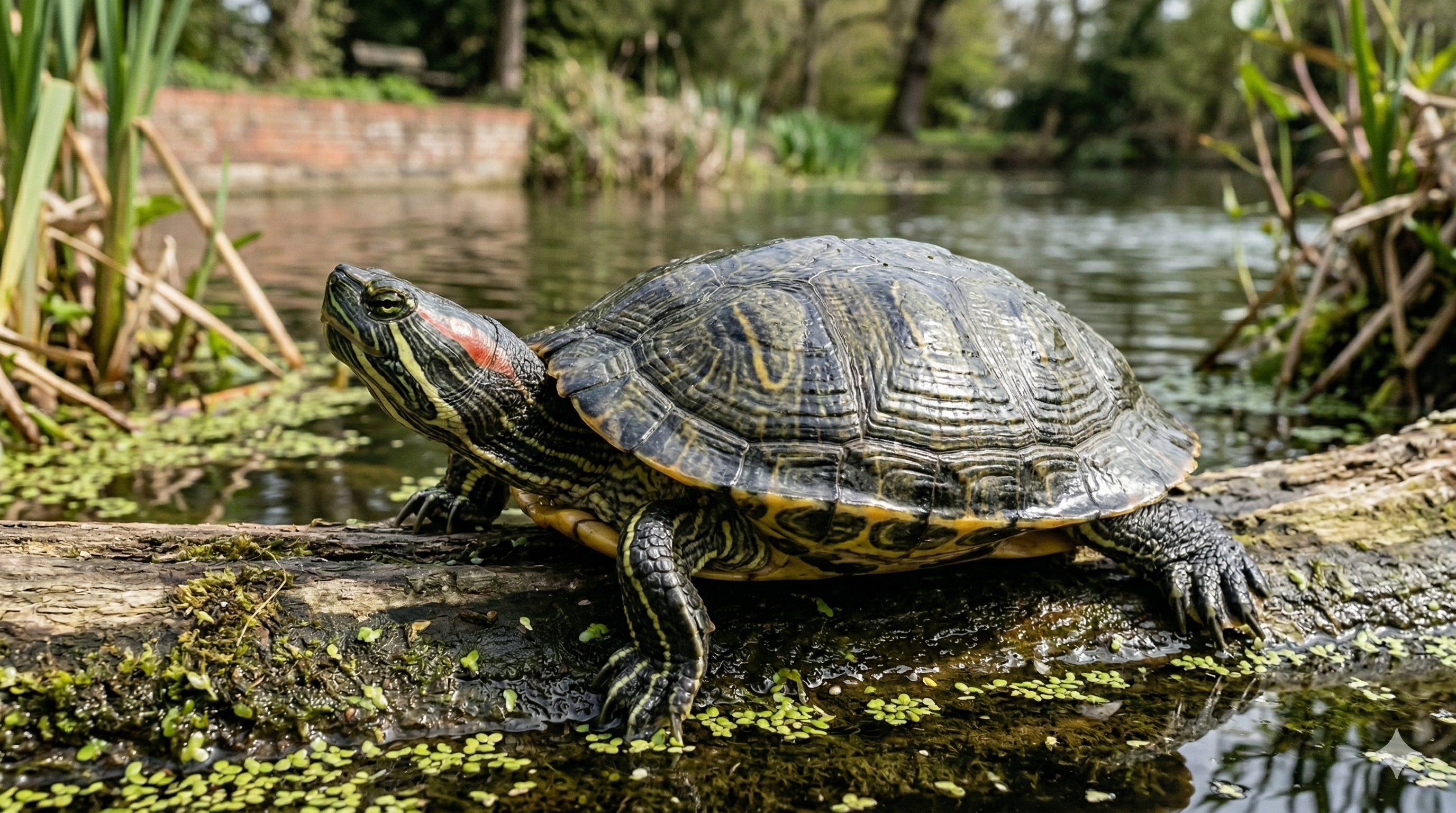
Red-Eared Slider
Aquatic Turtle
Water-Oriented Slow Drifter
Heat-Seeking7/10
Concealment7/10
Approach Tolerance6/10
If loose outdoors, nearby water becomes important fast. Indoors, check damp zones, bathrooms, laundry areas, and warm floor-level routes.
Recovery profileRed-Eared Slider
Reptile Guide
Tortoise (General)
Tortoise
Slow Drift, Sun-Seeking, Edge Traveler
Heat-Seeking8/10
Concealment6/10
Approach Tolerance7/10
Often moves slowly but steadily toward warmth, sunlight, fence lines, plant cover, or perimeter edges rather than vanishing instantly into tiny cavities.
Recovery profileTortoise
Reptile Guide
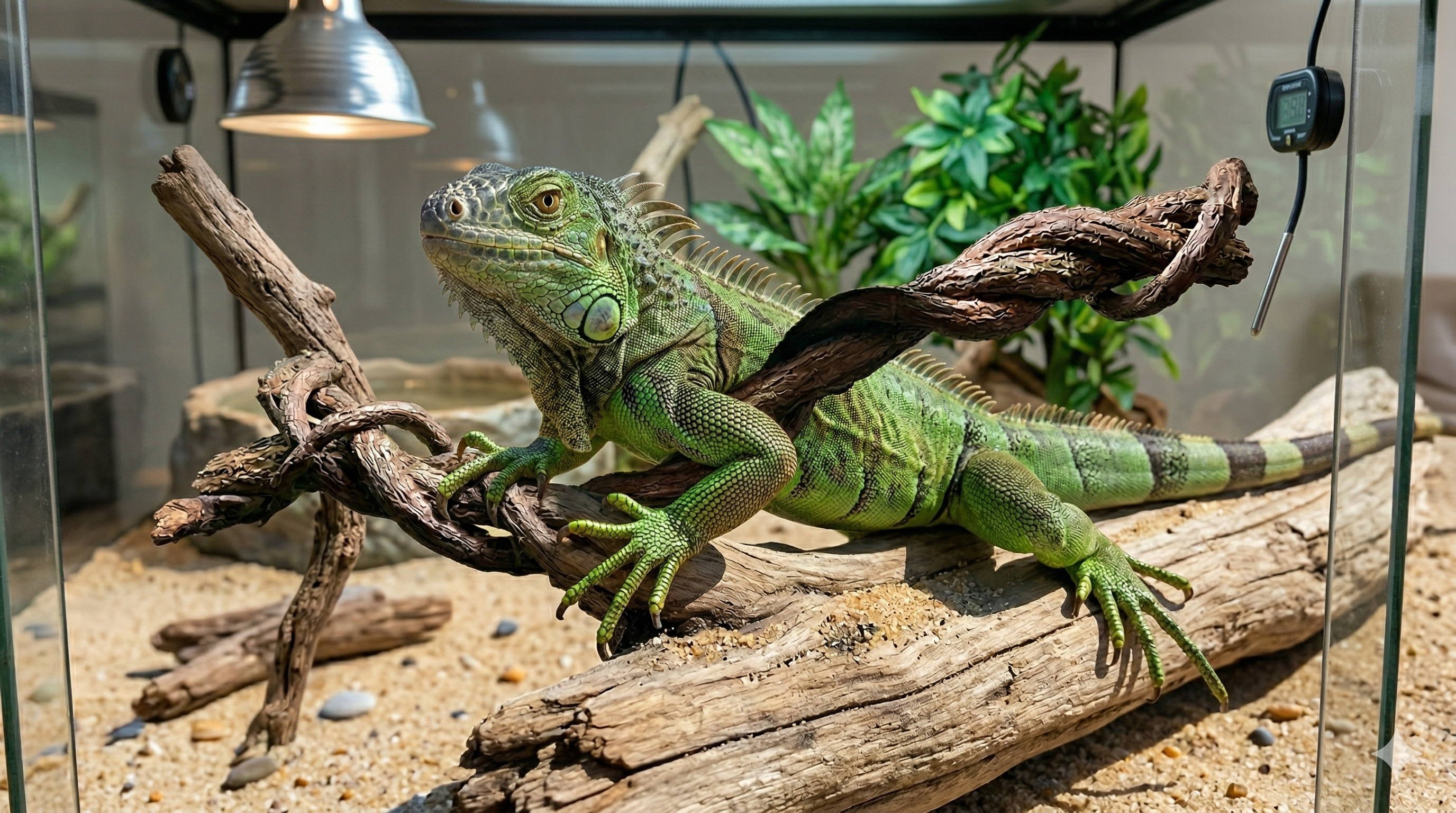
Iguana
Arboreal Lizard
Climber, Heat Seeker, Elevated Concealment
Heat-Seeking8/10
Concealment8/10
Approach Tolerance4/10
Searchers should think vertically as well as horizontally: shelves, curtain rods, plant stands, upper furniture, windows, and sunlit areas matter.
Recovery profileIguana
Reptile Guide
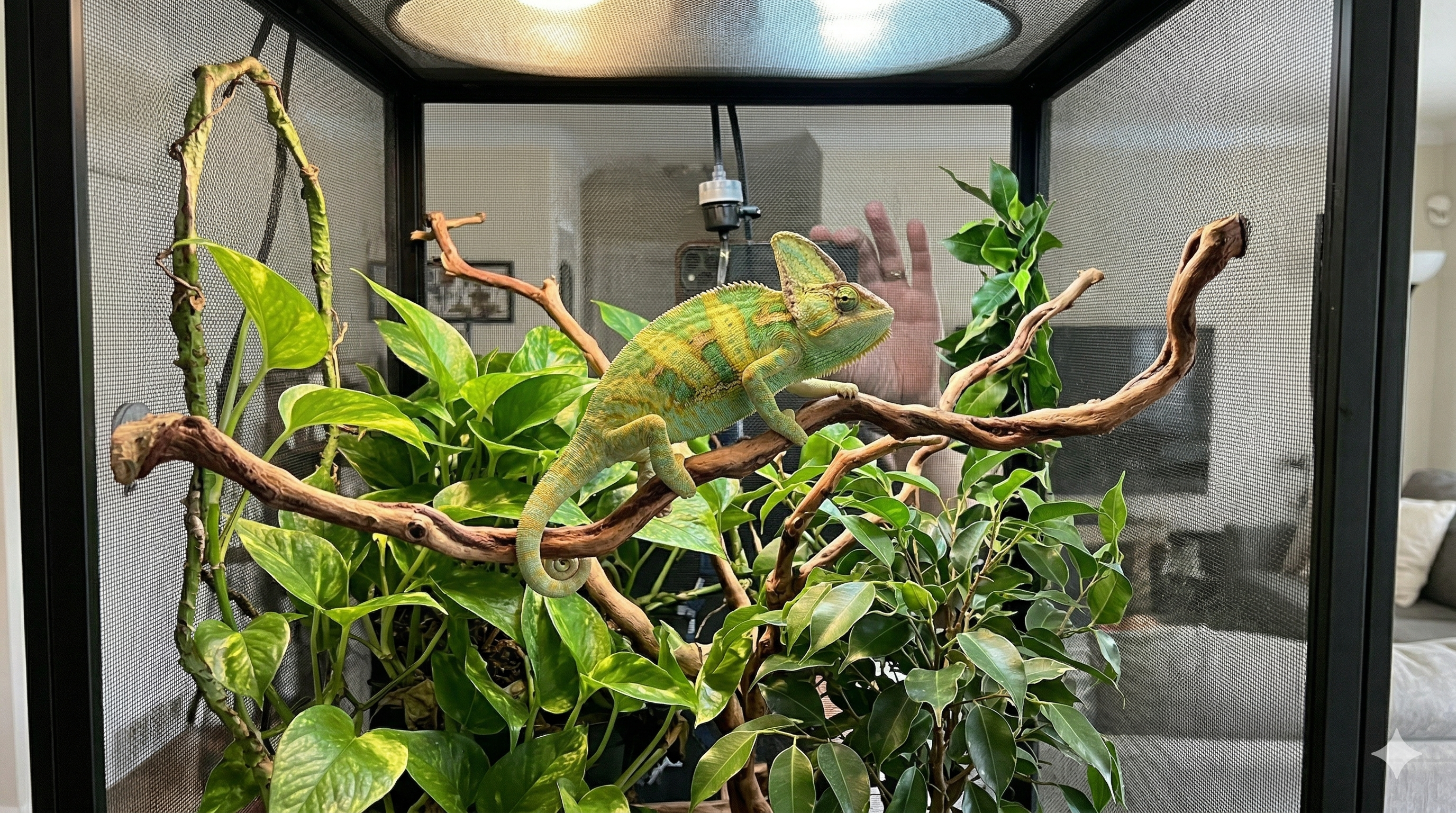
Chameleon
Arboreal Lizard
Camouflage, Height, Delicate Observation Perch
Heat-Seeking7/10
Concealment10/10
Approach Tolerance3/10
One of the easiest reptiles to miss in plain sight. Camouflage, slow stillness, and vertical plant-like perching make patient visual scanning critical.
Recovery profileChameleon
No reptile guides are available yet.
Prepare before an emergency.
Most lost-pet tools broadcast alerts. TailTracker helps owners understand behavior,
guide the search, and coordinate the recovery with behavioral-based recovery technology.
Reptile recovery often depends on room-by-room thermal logic, careful inspection of enclosed spaces, and understanding how species-specific warmth and concealment needs shape movement.