Cat
Breeds
Explore cat breeds and learn how different cats may behave when lost. TailTracker combines breed education with recovery-focused insight to help owners understand hiding behavior, fear response, territorial pull, and safe recovery strategy before an emergency happens.
Breed education with real recovery context for cat owners
TailTracker cat breed guides are built to do more than describe appearance and personality. They help owners understand how feline behavior may shape search priorities if a cat goes missing.
Unlike many dogs, cats often react to fear by hiding silently, compressing into cover, delaying movement, or becoming extremely difficult to approach. Breed tendencies can influence how intense those patterns become.
Cat breed guides currently featured in this directory view.
Don’t see the cat breed you’re looking for?
Request a missing breed and help us prioritize future recovery-focused cat profiles.
Showing 21 breed guides in the current view.
Browse Breeds
Compare core recovery signals at a glance, then open the full guide.

Often remains closer than owners think, but can stay hidden and silent for long periods.
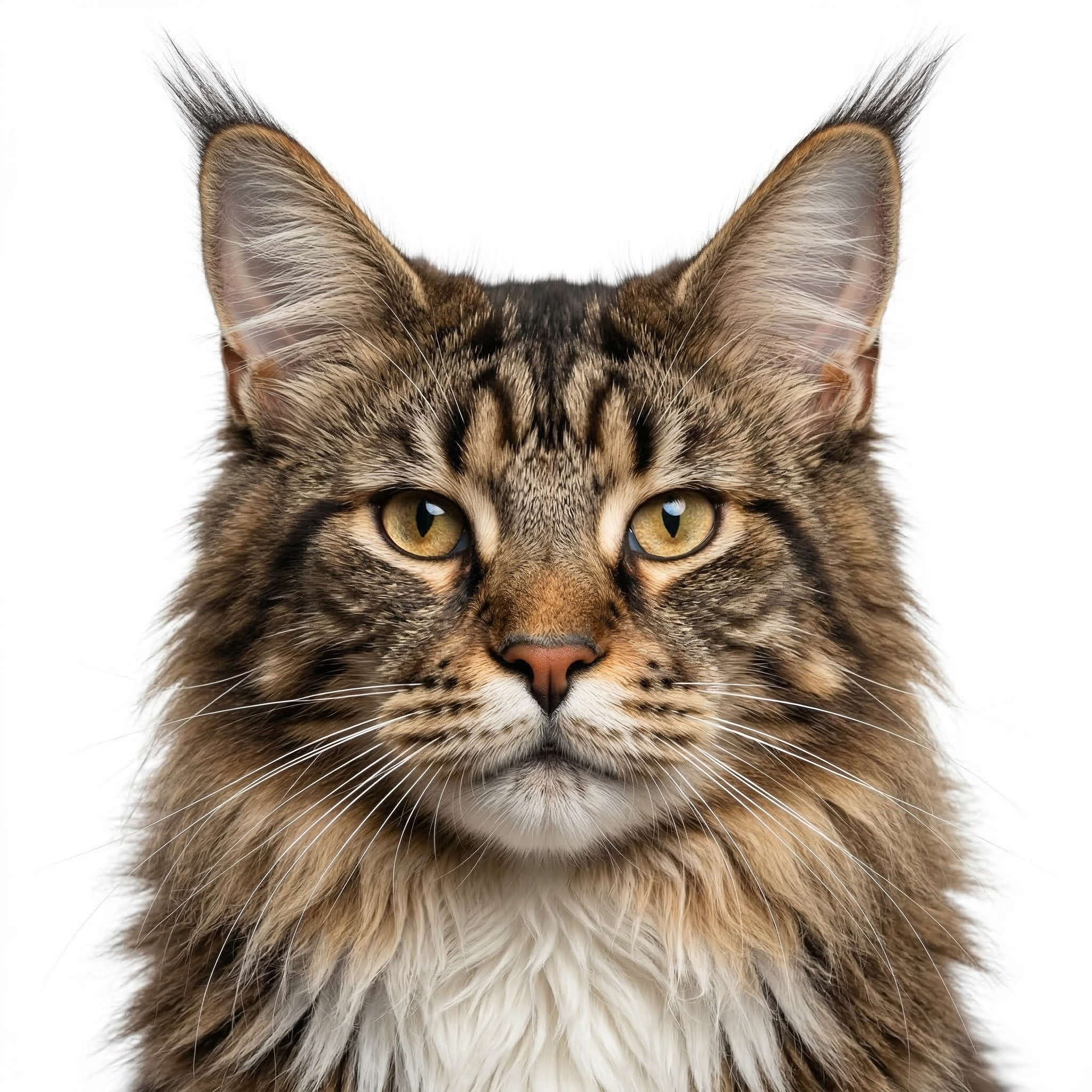
May range a bit more confidently than timid breeds, but still tends to choose cover before contact.

Highly people-bonded and often vocal, which can help detection if owners search strategically and quietly.

Often lacks outdoor survival savvy and may freeze in sheltered spaces rather than travel far.

More likely than many cats to climb, range, and exploit vertical or stimulation-rich environments.

Usually not a long-distance mover, but physical vulnerability raises urgency if outdoors or in poor weather.

May seek warmth, enclosed shelter, and human-adjacent spaces more quickly than colder-weather-tolerant breeds.

Can use height, trees, sheds, and rougher outdoor conditions more effectively than delicate indoor-oriented breeds.

Usually stays close to home and tends to go still under stress, often choosing dense nearby cover over movement.

Typically does not travel far, but may withdraw into a secure hiding place and remain quiet for extended periods.
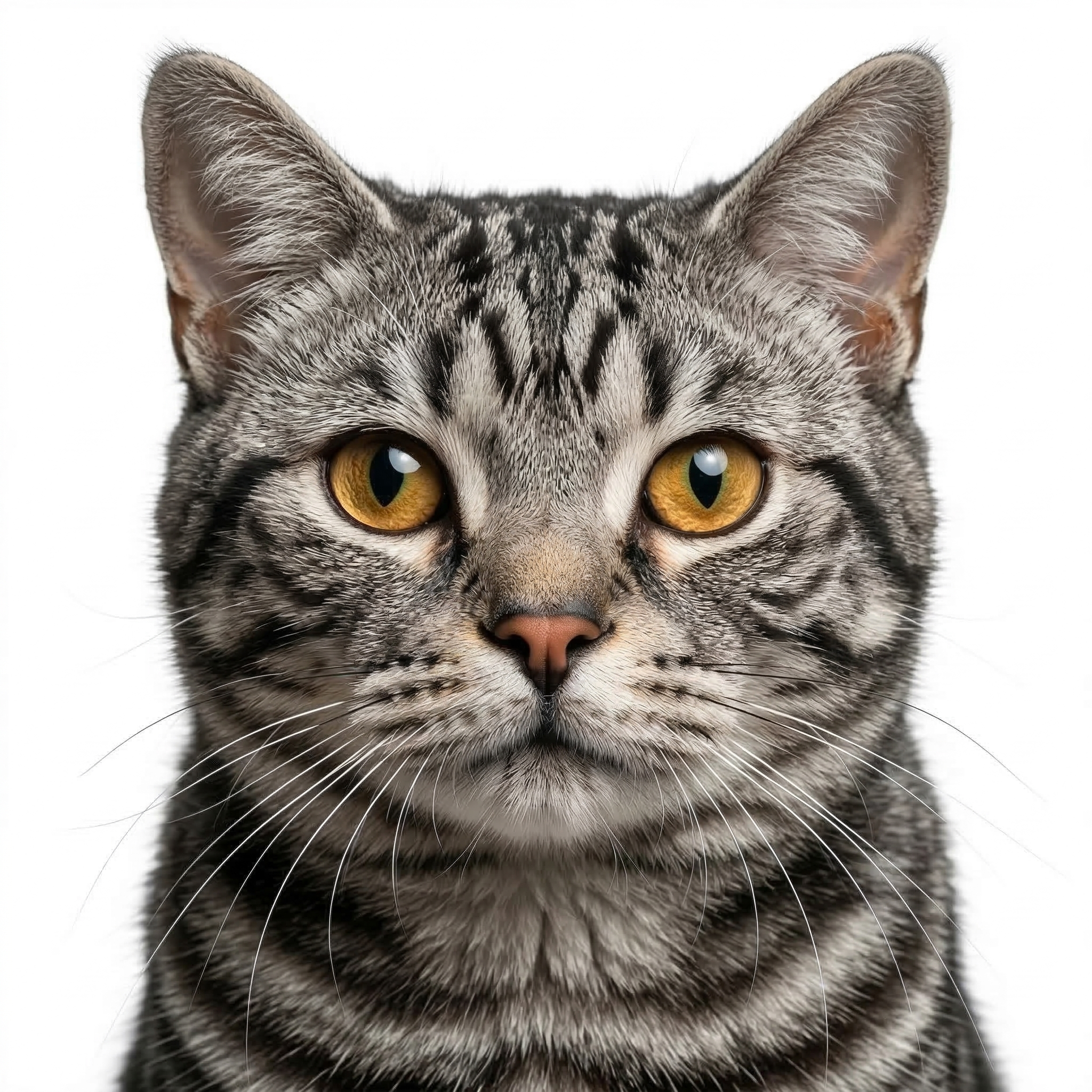
Adaptable and steady, often remaining within a moderate radius while using practical hiding spots near familiar territory.

More likely to shelter quietly nearby than to roam far, especially when startled in an unfamiliar outdoor setting.
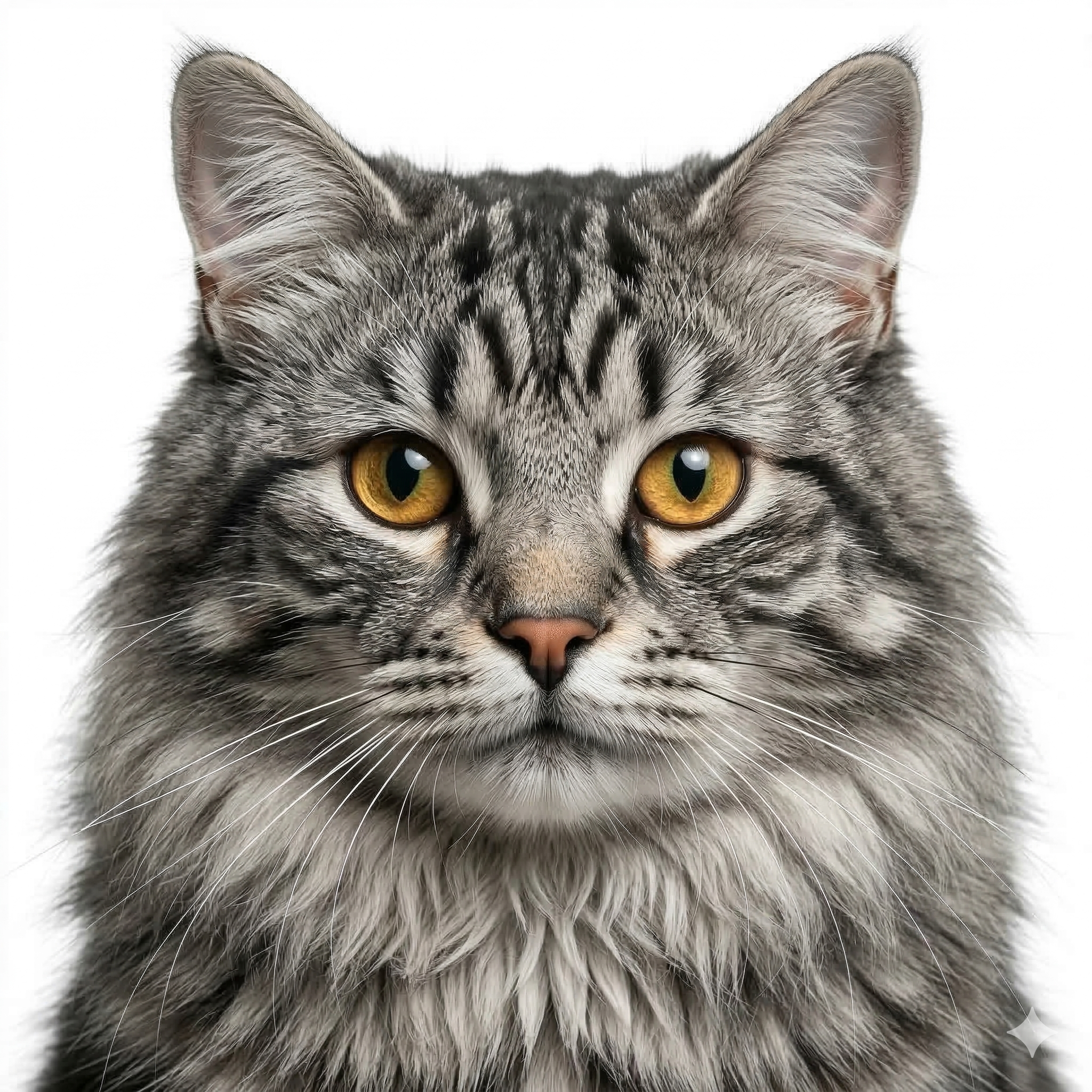
Comfortable with height, cover, and rougher weather, which can widen search zones and increase vertical hiding possibilities.
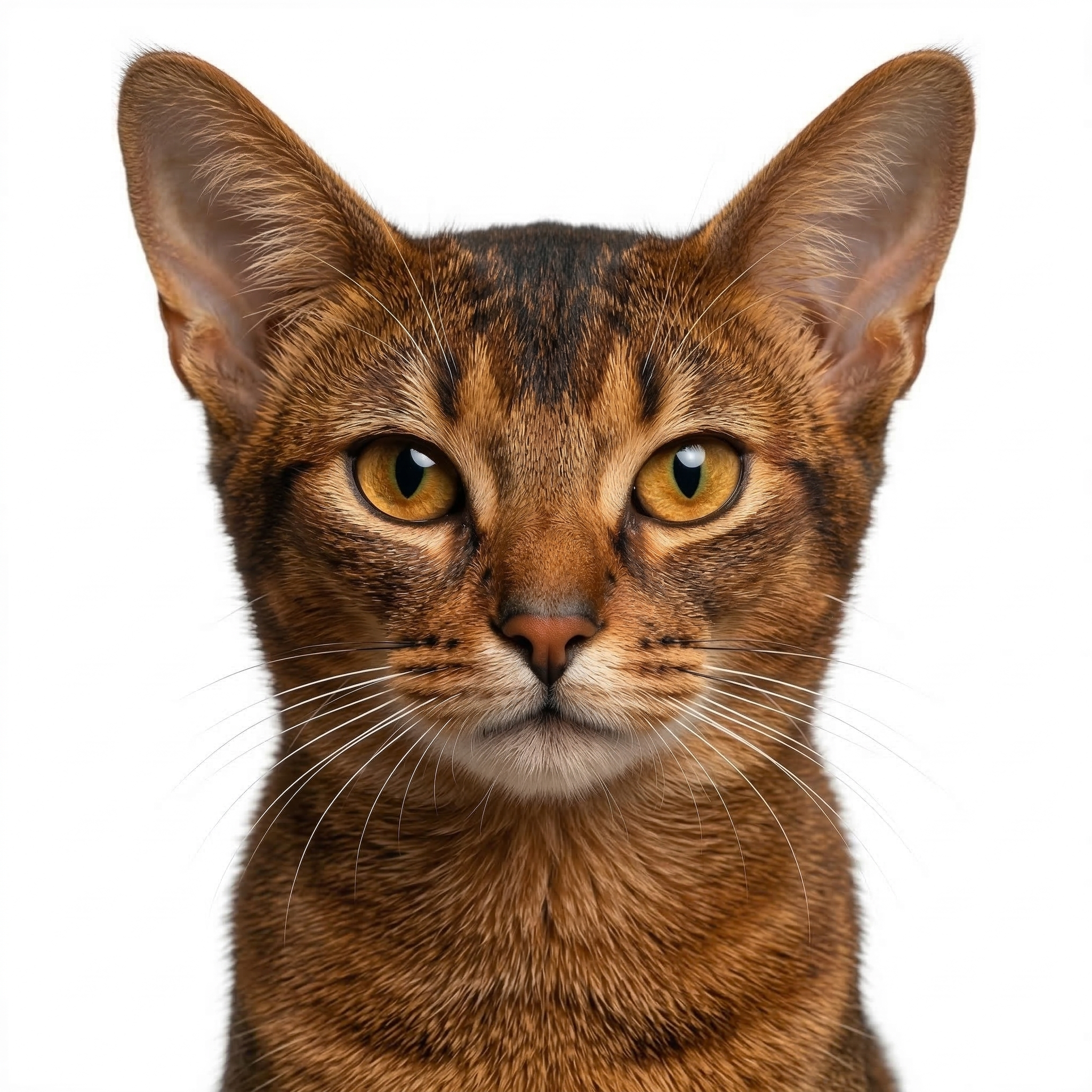
High curiosity and energy can create a wider movement pattern, with more climbing and exploratory behavior than average.
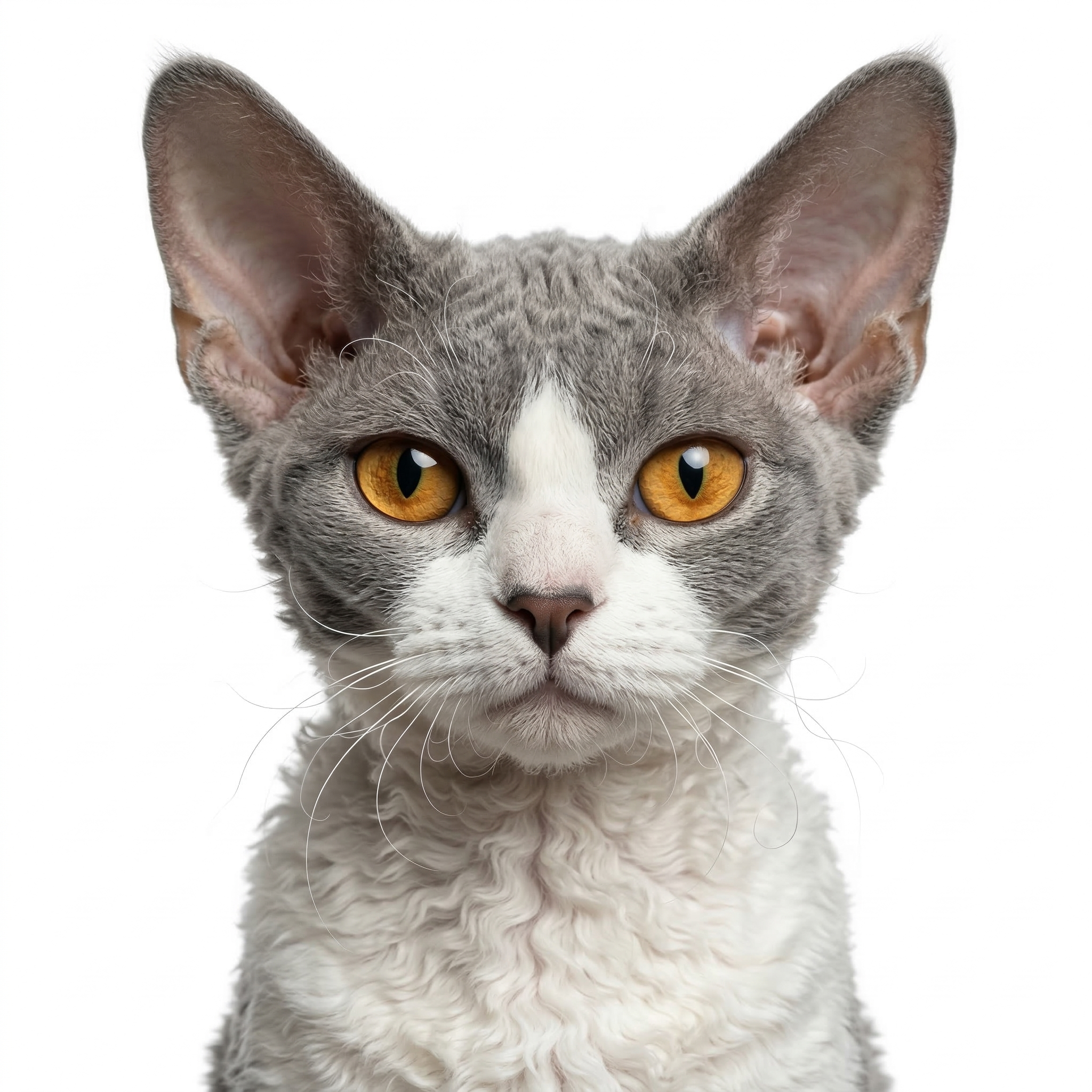
Can move actively through structures and sheltered spaces, but often seeks warmth and human-adjacent environments.

Usually stays relatively local and may respond better than very shy breeds to calm owner-led search efforts.

Likely to hide deeply and quietly, making close-range, patient, low-noise search tactics especially important.
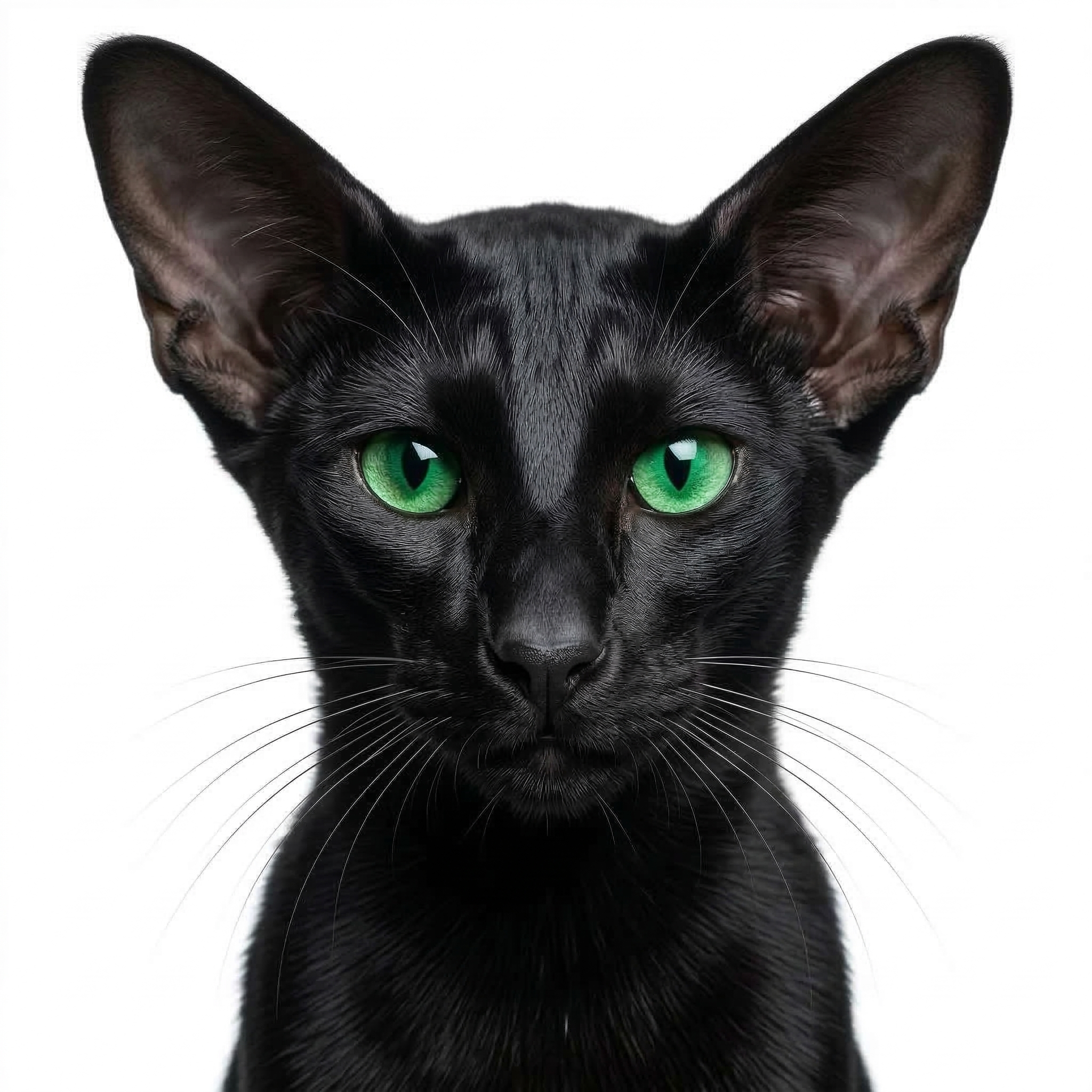
Often alert and expressive, with a moderate chance of signaling location through vocalization or visible movement.

High activity can lead to surprising movement patterns, but warmth and sheltered structures remain strong anchors.
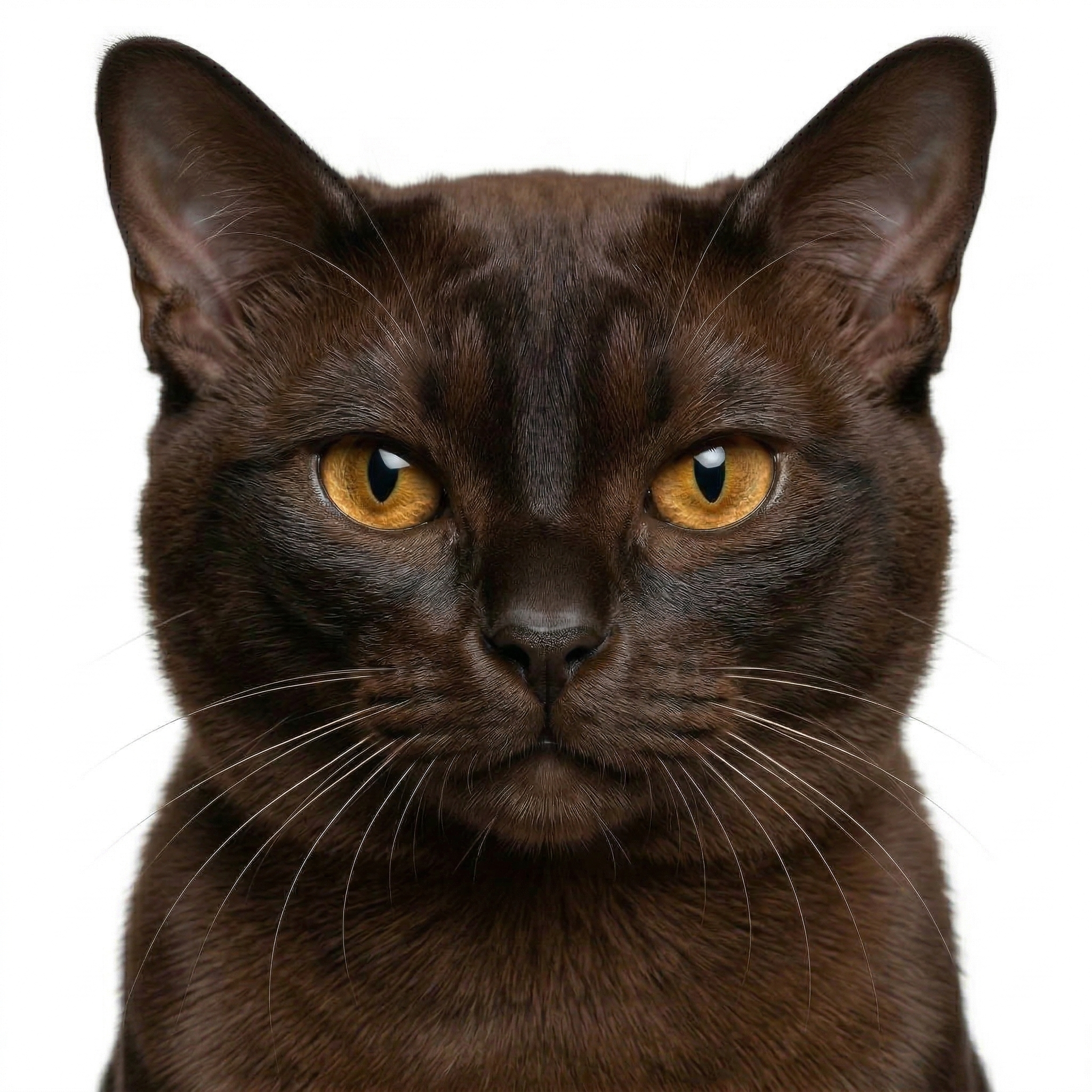
Often more human-oriented than average, which may improve approachability and visible response during recovery efforts.

Combines curiosity and sociability, creating a moderate movement range with a better chance of audible or visible response.
No cat breed records are available yet.
TailTracker is still building this directory. You can request a cat breed to help prioritize future recovery-focused profiles.
Request Missing Breed Help expand the guidePrepare before an emergency.
Most lost-pet tools broadcast alerts. TailTracker helps owners understand behavior, guide the search, and coordinate the recovery with behavioral-based recovery technology.
Lost-cat recovery often depends on doing the quiet, close, methodical things early rather than assuming the cat has traveled far.