Bird
Guides
Explore bird types and learn how different birds may behave when lost. TailTracker combines bird education with recovery-focused insight to help owners understand flight range, perch behavior, flocking tendency, bonded-pair influence, and recall strategy before an emergency happens.
Bird education with real recovery context for bird owners
TailTracker bird guides are built to do more than describe color, size, or personality. They help owners understand how species type, wing confidence, social bonding, and perch preference may shape search priorities if a bird goes missing.
Unlike many dogs and cats, birds may disappear upward, travel farther than expected, and settle in trees, rooflines, power lines, courtyards, or nearby flock zones. Recovery often depends on early visual tracking, sound-based recall, and species-aware perch scanning.
Bird guide categories currently featured in this directory view.
Don’t see the bird type you’re looking for?
Request a missing bird guide and help us prioritize future recovery-focused profiles.
Showing 10 bird guides in the current view.
Browse Bird Types
Compare core recovery signals at a glance, then expand later into full guides.

Parrots can gain altitude fast and may settle high in trees or on rooftops within minutes. Familiar voices, flock calls, cage visibility, and immediate upward scanning often matter more than ground-only searching.
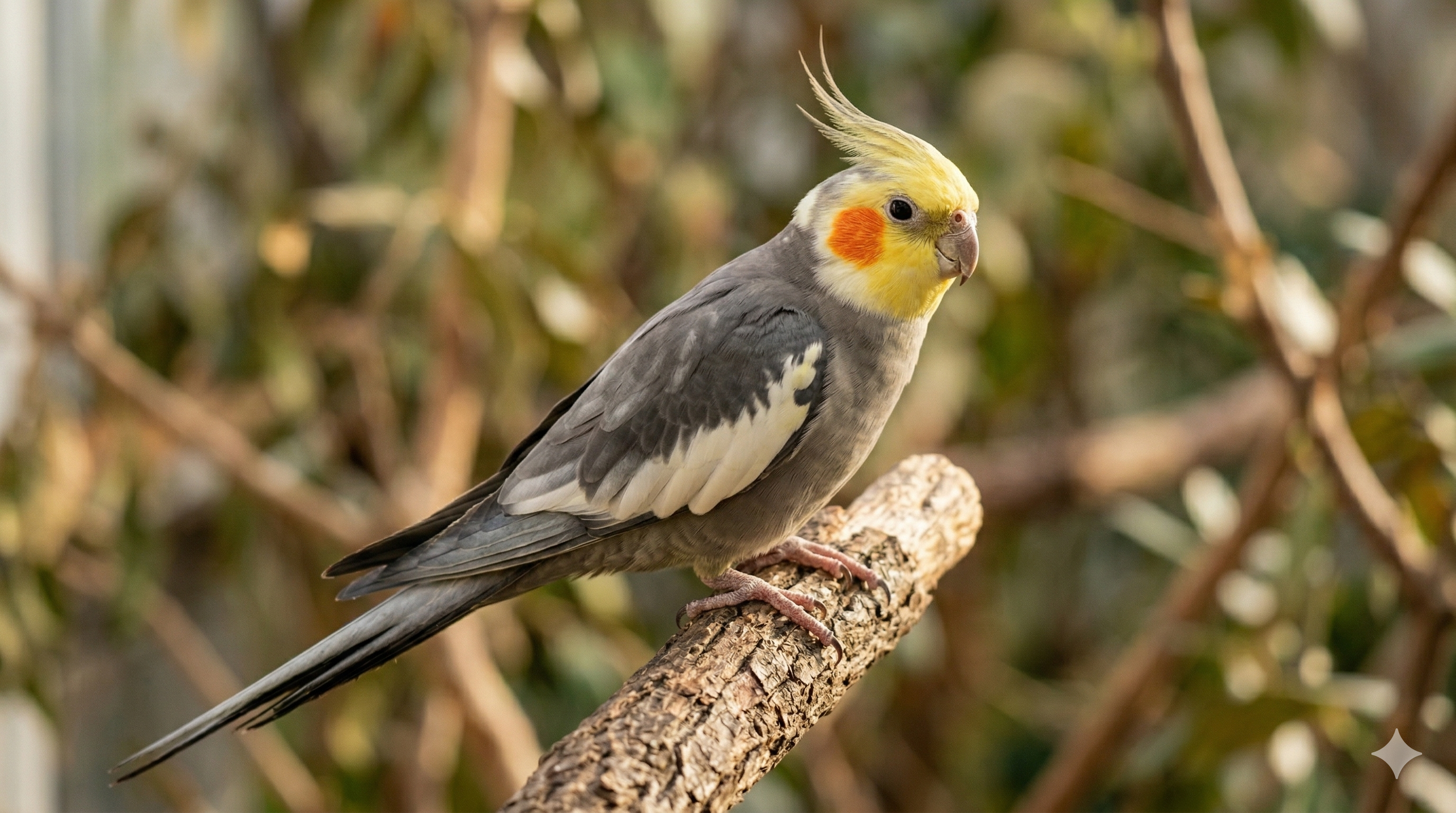
Cockatiels often remain more recall-responsive than many owners expect, especially to whistles, flock calls, and familiar household sounds. They may perch in open trees, wires, or roof edges rather than staying hidden.

Budgies and other small parakeets can disappear visually very quickly. They may join or shadow wild flocks, move between small perch points, and become difficult to relocate once distance and background clutter increase.

Canaries and finches are easy to lose visually and may not respond strongly to owner calls. Quiet listening, nearby shrub and tree scanning, and fast local response are often more useful than wide-radius assumptions.

Lovebirds may respond strongly to bonded-partner calls, familiar sounds, and visible cage setups. Pair dynamics can become a major recovery lever if one bird remains home and vocal.

Doves and pigeons may travel between roofs, ledges, utility lines, and open feeding spots. Some show stronger home-oriented movement than parrots, but urban scanning and public sighting collection are still important.

Mynahs and other softbills can be mobile, observant, and surprisingly adaptable outdoors. They may move between perch sites opportunistically and become harder to contain if early visual contact is lost.
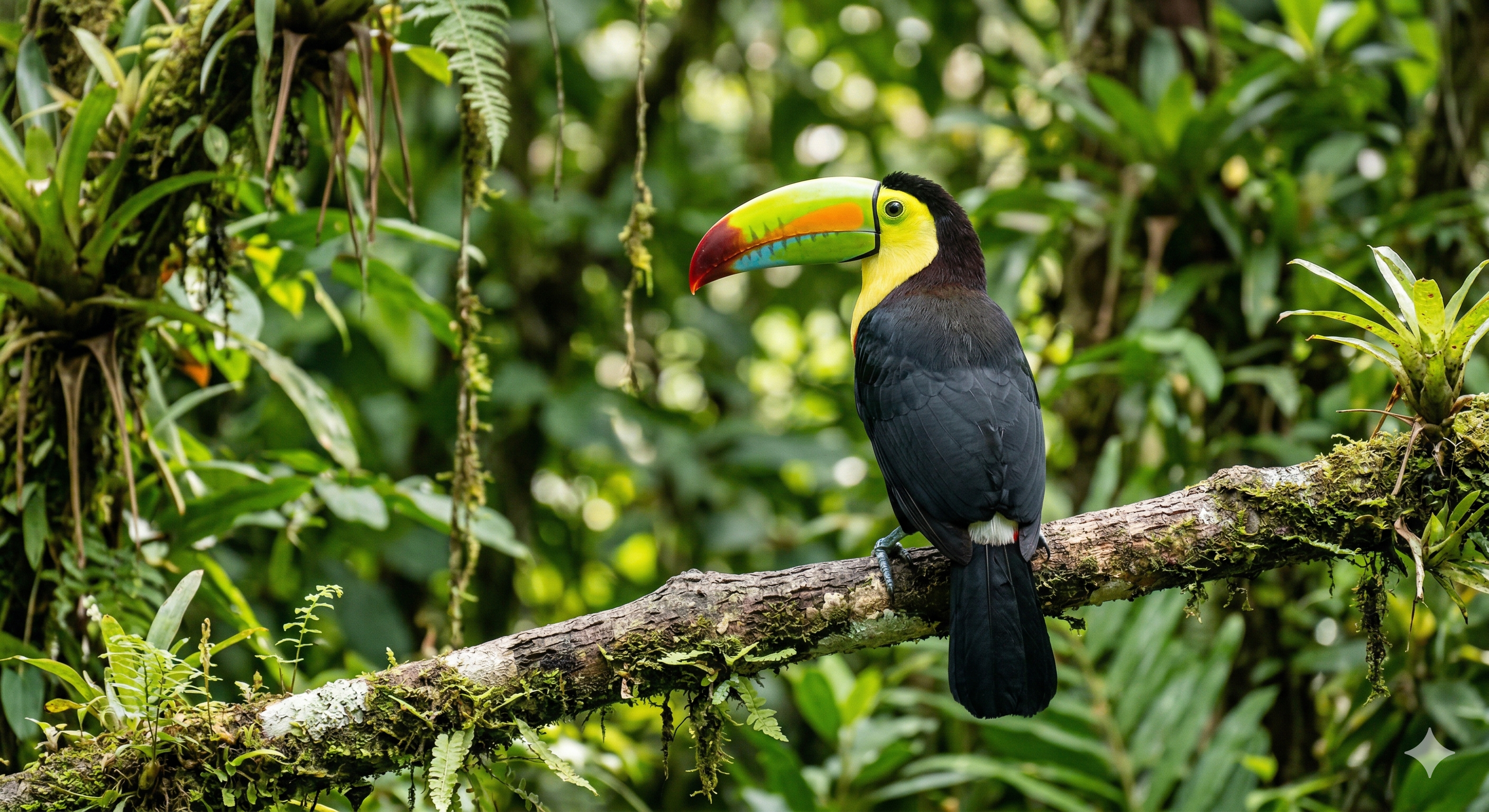
Toucans often favor elevated perch positions but may not cope well with unfamiliar outdoor weather, temperatures, or predators. Fast location and containment are especially important.

Peafowl are more likely to travel on foot than companion parrots, but they can still fly up to elevated roosts, fences, sheds, and trees. Evening roost checks and neighbor visibility matter.

Backyard chickens usually stay close to familiar territory and often return to roosting areas at dusk. Quiet observation and food-based recall frequently outperform active pursuit.
Prepare before an emergency.
Most lost-pet tools broadcast alerts. TailTracker helps owners understand behavior, guide the search, and coordinate the recovery with species-aware planning.
Lost-bird recovery often depends on fast upward scanning, familiar sound cues, and species-aware perch checks early rather than assuming the bird is far away on the ground.